

Autos

Seasonal Car Care: Preparing Your Vehicle for Weather Changes

Share
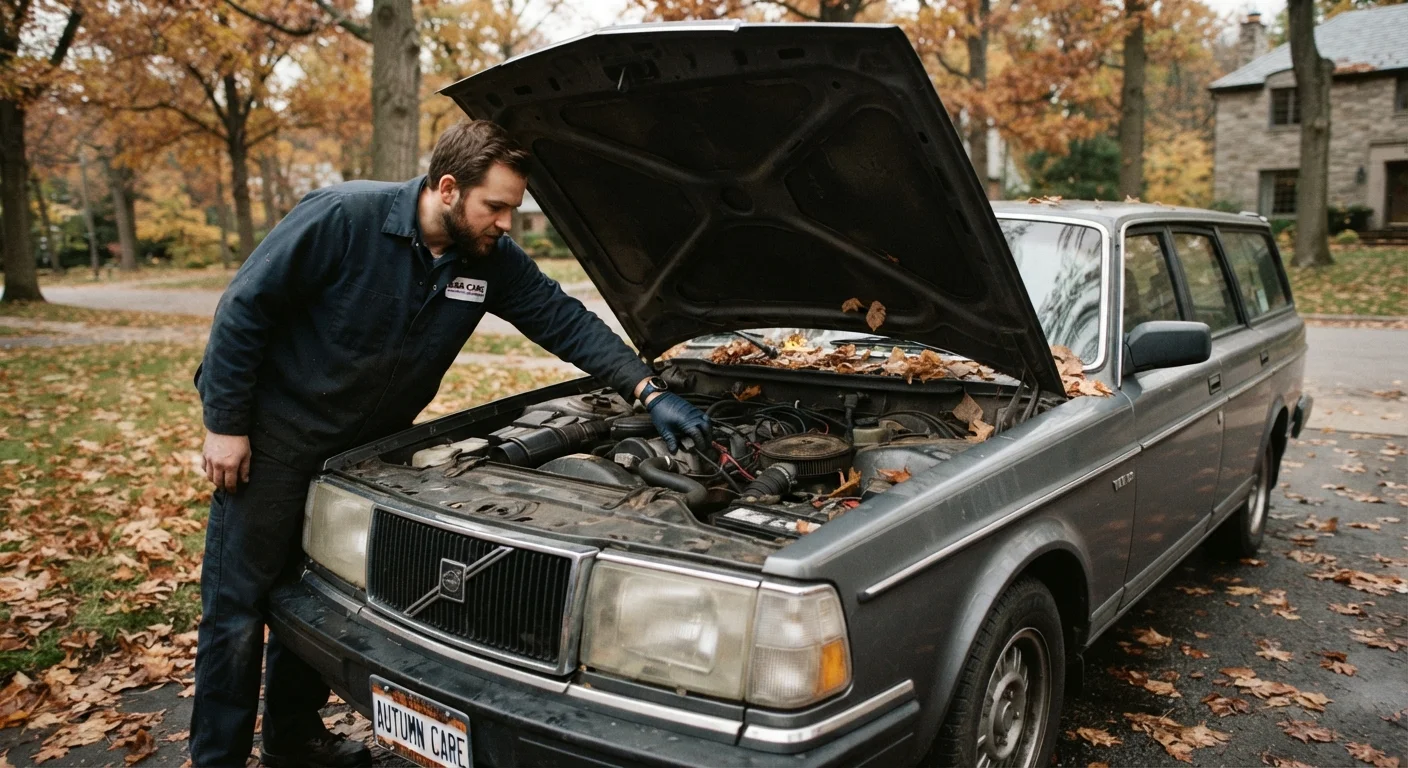
A mechanic inspecting a car engine bay surrounded by autumn leaves and seasonal light.

Key Takeaways

Battery performance drops sharply in cold temperatures — test it before winter arrives.
Tire pressure changes with ambient temperature, requiring adjustment each season.
Coolant condition is as important as coolant level heading into summer heat.
Wiper blades and lighting are safety-critical items that degrade seasonally.
A seasonal inspection catches small issues before they become expensive repairs.
30–90 min

Summary

18 items · 30–90 minutes

Why Seasonal Car Care Matters More Than You Might Think

Most drivers think about car maintenance when something breaks — not before. But temperature swings, road salt, summer heat, and shifting humidity all place measurable stress on your vehicle's systems. Catching problems proactively is far less expensive than roadside breakdowns or emergency shop visits.

Seasonal prep doesn't mean a complete overhaul every few months. It means running through a targeted checklist — battery, fluids, tires, brakes, lights — so you know your vehicle is ready for whatever the next few months bring. For a broader view of what your car needs year-round, see our complete car maintenance guide.

Use the checklist below as your seasonal audit. Items are grouped by system, with priority levels to help you triage what's non-negotiable versus what can wait a bit longer.

Required

Tire pressure gauge

Accurately measure inflation in all four tires and the spare during seasonal adjustments.

Required

Multimeter or battery tester

Check battery voltage to get a baseline reading before cold or hot weather stresses the system.

Required

Coolant test strips or hydrometer

Measure coolant freeze and boil-over protection levels to confirm the mixture is appropriate for the upcoming season.

Optional

Tread depth gauge

Measure remaining tire tread accurately across the tire surface to identify uneven wear.

Optional

Terminal cleaning brush

Remove corrosion from battery terminals to ensure a solid electrical connection.

Optional

Flashlight or inspection light

Illuminate engine bay, undercarriage, and tire sidewalls for a thorough visual inspection.

The Seasonal Car Care Checklist

Work through each group in order. The battery and tires sections are the most time-sensitive — both are primary failure points during weather transitions. If you're heading into a long road trip right after a season change, cross-reference this checklist with our pre-drive road trip checklist as well.

Battery & Electrical

Test battery voltage and, if possible, have it load-tested — cold weather can cut available capacity by 20–50%, and a borderline battery that functions in summer may fail in freezing temperatures. Must
Inspect battery terminals for corrosion buildup (white or blue-grey crust) and clean them with a terminal brush before corrosion causes resistance or connection loss. Must
Check that all exterior lights — headlights, brake lights, turn signals, and reverse lights — are fully functional, as shorter daylight hours in fall and winter make lighting failures more dangerous. Must
Inspect wiper blades for streaking, skipping, or cracking and replace them if deteriorated; consider winter-rated blades in regions that experience heavy snow or ice. Should

Tires

Check tire pressure in all four tires plus the spare — tire pressure drops roughly 1 PSI for every 10°F decrease in ambient temperature, so fall's arrival often means underinflated tires. Must
Inspect tread depth using the penny test (Lincoln's head fully visible means it's time to replace) or a tread-depth gauge, paying attention to uneven wear patterns that may indicate alignment issues. Must
If you live in a region with significant snow or ice, evaluate whether winter tires are appropriate — all-season tires lose significant traction below approximately 45°F. Should
Rotate tires if you're approaching the recommended rotation interval, to ensure even wear and maximize tread life through the season. Should

Fluids

Check coolant (antifreeze) level and concentration — before winter, verify the mixture offers freeze protection to the lowest expected temperature in your area; before summer, confirm it provides adequate boil-over protection. Must
Check engine oil level and condition, and verify the oil viscosity in use is appropriate for the upcoming season — some older vehicles or those running conventional oil may benefit from viscosity adjustment. Must
Inspect windshield washer fluid and refill with a formula rated for freezing temperatures before the cold season begins. Must
Check brake fluid condition — if it appears dark or has absorbed moisture (which lowers its boiling point), consult a mechanic about a flush. Should

Brakes & Belts

Listen for squealing, grinding, or pulsation during braking and have brake pads and rotors professionally inspected if any symptoms are present. Must
Visually inspect accessible drive belts for cracking, fraying, or glazing — rubber degrades faster in extreme heat or cold and a broken serpentine belt can leave you stranded. Should

Cabin & Emergency Kit

Replace the cabin air filter if it has not been changed in the past year — a clogged filter reduces heating and defrost effectiveness just when you need it most. Should
Restock your in-vehicle emergency kit to match the season: add an ice scraper, jumper cables, and a blanket for winter; include water and sunscreen for summer road trips. Should
Test the defroster (both front and rear) before cold weather arrives to confirm it clears glass effectively. Must

Don't Overlook the Cooling System Before Summer

Overheating is one of the most common — and preventable — causes of summer breakdowns. A low or degraded coolant mixture can push engine temperatures to damaging levels in heavy traffic or during long highway drives in high heat. Check both the level and the condition of your coolant, not just one or the other. If the fluid appears rusty, oily, or has visible debris, have the system flushed by a qualified mechanic before temperatures climb.

A Note on When to Call a Professional

Several items on this checklist — brake inspection, load testing a battery, and checking transmission fluid condition — are straightforward to observe but may require a qualified mechanic to service safely. If you're not comfortable working under the hood or beneath the vehicle, scheduling a seasonal inspection at a shop is a worthwhile investment.

Understanding your vehicle's full service schedule makes it easier to bundle seasonal checks with regular mileage-based maintenance. Our car maintenance schedule explainer breaks down what happens at each service interval. For a closer look at fluid checks specifically, Fluids Every Car Relies On covers what each system needs and how to read condition at a glance.

Battery health deserves particular attention before winter — cold weather dramatically reduces a battery's ability to deliver cranking amps. If your battery is more than three years old, our battery health guide explains how to interpret voltage readings and load tests before you're stranded. Staying on top of seasonal maintenance also makes you a smarter, safer driver year-round.

Brake Concerns Need Professional Attention

Brake inspection is included in this checklist as an observational step — listen for symptoms and look for obvious wear. However, brake servicing involves safety-critical components and should be performed by a qualified mechanic, not as a DIY project unless you have specific training and equipment. If you notice any change in braking feel, pulling to one side, or grinding noises, stop driving the vehicle until it has been professionally evaluated.

Autos Editorial Team is the collective byline for our editorial team and contributor network. Articles published under this byline or an editorial pen name are researched, written, and reviewed according to our editorial standards for clarity, consistency, and independence before publication.

View all articles by Autos Editorial Team →
Disclaimer: The content on this site is for informational purposes only and is not a substitute for professional advice. Always consult a qualified professional for guidance specific to your situation.