

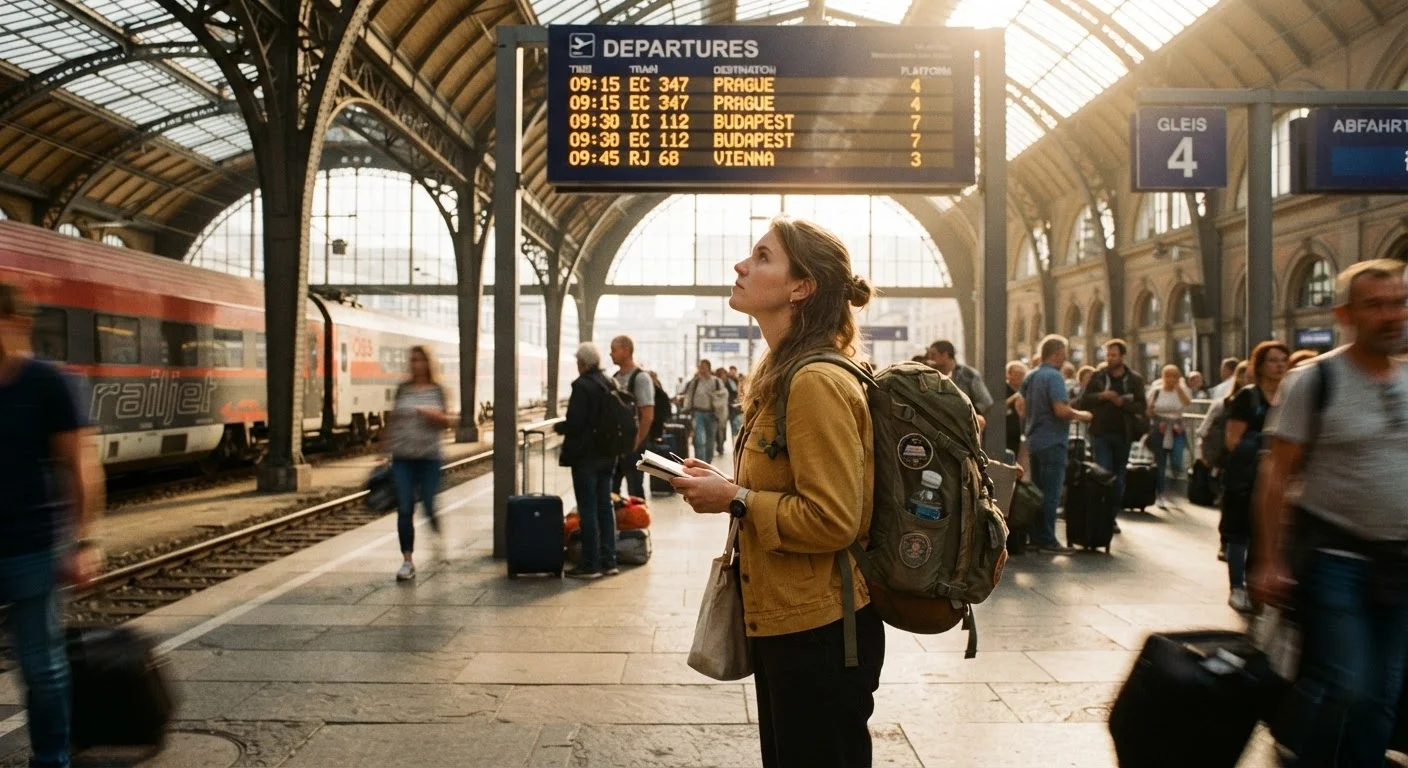
Key Takeaways
Complete freedom over your pace and itinerary
You move when you want, stay longer where it interests you, and skip what doesn't. This autonomy is the core appeal of solo travel and the thing most people miss most when they return to group trips.
Stronger, faster connections with locals and other travelers
Traveling alone makes you more approachable and more likely to accept invitations. Many solo travelers find their most meaningful travel memories came from conversations that wouldn't have happened in a group.
Genuine confidence and self-reliance that transfers beyond travel
Navigating an unfamiliar city, solving a problem in a foreign language, or making a judgment call alone builds a kind of practical self-trust that's difficult to replicate in any other context.
You discover your actual travel preferences
Without a partner's preferences to accommodate, you quickly learn what you genuinely enjoy — which shapes every future trip, solo or not, in useful ways.
Decision fatigue accumulates quickly without a partner
Every choice — logistics, meals, navigation, safety calls — falls on you. Over a multi-week trip, this mental load becomes one of the most underestimated challenges of solo travel.
Loneliness hits harder than most people anticipate
Even highly independent travelers experience genuine loneliness, particularly in the evenings or during travel transitions. It typically passes, but it can feel acute in the moment.
Safety considerations require more active attention
Without a travel companion to consult or share awareness with, you bear full responsibility for reading environments, trusting instincts, and staying alert — which requires real mental energy.
No shared memory to look back on with someone else
Extraordinary moments — a spectacular view, a strange and funny mishap — are experienced alone. Many solo travelers describe this as both freeing and, at times, quietly isolating.
Our Verdict
Solo travel is genuinely transformative for many people — but it's not a universally easy experience, especially on the first trip. The highs are real: autonomy, self-discovery, and unexpected connections. So are the lows: decision fatigue, moments of loneliness, and the weight of handling every problem yourself. Going in with honest expectations makes all the difference.
Ideal for independent-minded travelers who want to move on their own schedule, push their comfort zone, and are willing to embrace occasional discomfort as part of the journey.
What Nobody Tells You Before You Go
Most people imagine solo travel as either a liberating montage of sunsets and chance encounters or a lonely ordeal best avoided. Reality lands somewhere more nuanced — and far more interesting. The first thing most solo travelers discover is that the mental load is heavier than expected. Every decision — where to eat, whether that neighborhood is safe at night, how to handle a delayed train — falls entirely on you. There's no partner to split the thinking with, which is both the appeal and the exhaustion of traveling alone.
The second surprise? How much easier it is to meet people than you'd think. Solo travelers are remarkably approachable. Locals and fellow travelers tend to strike up conversations with a person sitting alone in ways they wouldn't with a couple or a group. Many first-timers report that their most memorable interactions happened precisely because they had no built-in social buffer. For a deeper look at how solo logistics compare to group dynamics, see Solo Travel vs. Group Travel: Planning Differences Worth Knowing.
The Real Advantages of Going It Alone
Solo travel's benefits aren't just philosophical — they're practical and deeply felt once you're actually on the road.
Complete freedom over your pace and itinerary
You move when you want, stay longer where it interests you, and skip what doesn't. This autonomy is the core appeal of solo travel and the thing most people miss most when they return to group trips.
Stronger, faster connections with locals and other travelers
Traveling alone makes you more approachable and more likely to accept invitations. Many solo travelers find their most meaningful travel memories came from conversations that wouldn't have happened in a group.
Genuine confidence and self-reliance that transfers beyond travel
Navigating an unfamiliar city, solving a problem in a foreign language, or making a judgment call alone builds a kind of practical self-trust that's difficult to replicate in any other context.
You discover your actual travel preferences
Without a partner's preferences to accommodate, you quickly learn what you genuinely enjoy — which shapes every future trip, solo or not, in useful ways.
The freedom to follow a genuine interest without compromise is something group travel rarely offers. If you want to spend three hours in a single museum gallery, linger over lunch, or spontaneously reroute to a different city, nobody's schedule but yours is at stake. That flexibility tends to produce richer, more personal experiences. If you're weighing these trade-offs more broadly, Independent Travel vs. Guided Tours: Weighing the Real Differences is worth reading before you finalize your approach.
The Honest Downsides
Balanced enthusiasm means being straight about what's genuinely hard — because first-timers who hit these challenges unprepared are the ones who come home swearing they'll never go solo again.
Decision fatigue accumulates quickly without a partner
Every choice — logistics, meals, navigation, safety calls — falls on you. Over a multi-week trip, this mental load becomes one of the most underestimated challenges of solo travel.
Loneliness hits harder than most people anticipate
Even highly independent travelers experience genuine loneliness, particularly in the evenings or during travel transitions. It typically passes, but it can feel acute in the moment.
Safety considerations require more active attention
Without a travel companion to consult or share awareness with, you bear full responsibility for reading environments, trusting instincts, and staying alert — which requires real mental energy.
No shared memory to look back on with someone else
Extraordinary moments — a spectacular view, a strange and funny mishap — are experienced alone. Many solo travelers describe this as both freeing and, at times, quietly isolating.
72%
Solo travelers who report increased self-confidence post-trip
According to a survey by Solo Traveler World, a large majority of respondents said solo travel meaningfully increased their confidence and decision-making ability.
1 in 4
American travelers who have taken a solo trip
Industry research from the Adventure Travel Trade Association has found solo travel to be one of the fastest-growing segments of leisure travel in the U.S.
Certain destinations amplify these challenges. Navigating a city with an unfamiliar transit system, language barrier, or limited tourist infrastructure is significantly harder alone. First-time solo travelers often benefit from starting with destinations that have a clear tourism infrastructure — places where getting lost is manageable rather than stressful. For destination-specific context, resources like Tokyo for First-Time Visitors: Neighborhoods, Transit, and Cultural Norms or Myths About Traveling in Southeast Asia That Keep Americans from Going can help calibrate expectations before you book.
How to Set Your First Solo Trip Up for Success
The difference between a rough first solo trip and a great one often comes down to preparation style — not budget or destination alone.
Safety Verification Is Always Your Responsibility
Travel conditions, entry requirements, local laws, and safety advisories can change. Always check the U.S. Department of State's travel advisories and your destination country's official government sources before departing. No travel article — including this one — should be treated as a definitive source on safety or entry rules at the time of your trip.
Choosing a starting destination that matches your current comfort level matters more than choosing the most impressive one. A solo trip to a well-connected European city with English-language signage will teach you the rhythms of solo travel — reading a city, trusting instincts, managing logistics — in a lower-stakes environment than a region with major language barriers or limited infrastructure. Once those rhythms feel natural, more complex destinations open up. For a structured approach to planning around experience rather than itinerary, Planning a Meaningful Trip: A Complete Framework for Experience-First Travel offers a thorough framework. And for practical trip-organizing advice that applies regardless of destination, the Trip Planning Tips hub is a useful starting point.
Tell someone your rough itinerary before you leave. Keep digital and physical copies of key documents. Know the local emergency number for each country you're visiting. These aren't fear-based precautions — they're the same habits experienced solo travelers treat as routine. For anyone who finds the prospect of extended solo time triggering real anxiety rather than just nerves, it may also be worth reflecting on your emotional readiness; What to Know Before Starting Mental Health Treatment for the First Time is a resource worth having in your corner if that applies to you.