

Key Takeaways
Why These Myths Persist — and Why They Matter
Southeast Asia ranks among the world's most visited regions, drawing tens of millions of international travelers each year. Yet many Americans still hesitate before booking, held back by a handful of persistent misconceptions picked up from outdated guidebooks, alarming headlines, or well-meaning friends who have never actually been. These myths don't just cause unnecessary anxiety — they actively prevent travelers from experiencing one of the most rewarding, accessible, and genuinely affordable regions on the planet.
Whether you're weighing Thailand, Vietnam, Cambodia, Indonesia, or the Philippines, the gap between common fear and on-the-ground reality is striking. This piece tackles the most stubborn myths head-on, replacing assumption with accurate, current context so you can plan with confidence.
If you're also preparing for your first international solo adventure, our pre-departure checklist for solo international travelers covers documents, connectivity, and safety habits worth sorting before you fly.
Myth
Southeast Asia is too dangerous for American tourists.
Fact
Most of Southeast Asia is considered safe for tourists, with crime against visitors being relatively uncommon in popular destinations.
Countries like Thailand, Vietnam, and Bali (Indonesia) have large, well-established tourism industries and extensive infrastructure designed around visitor safety and comfort. Petty theft — pickpocketing, bag snatching on motorbikes — does occur in busy areas, as it does in many major cities worldwide, but violent crime targeting tourists is rare. The U.S. State Department travel advisories for most Southeast Asian countries sit at Level 1 (Exercise Normal Precautions) or Level 2 (Exercise Increased Caution), comparable to many European destinations. Staying aware of your surroundings, using reputable transportation, and keeping copies of important documents are standard precautions — not crisis management.
Myth
Street food in Southeast Asia will make you sick.
Fact
Street food is a cornerstone of the culinary culture and is widely enjoyed safely by millions of international visitors each year.
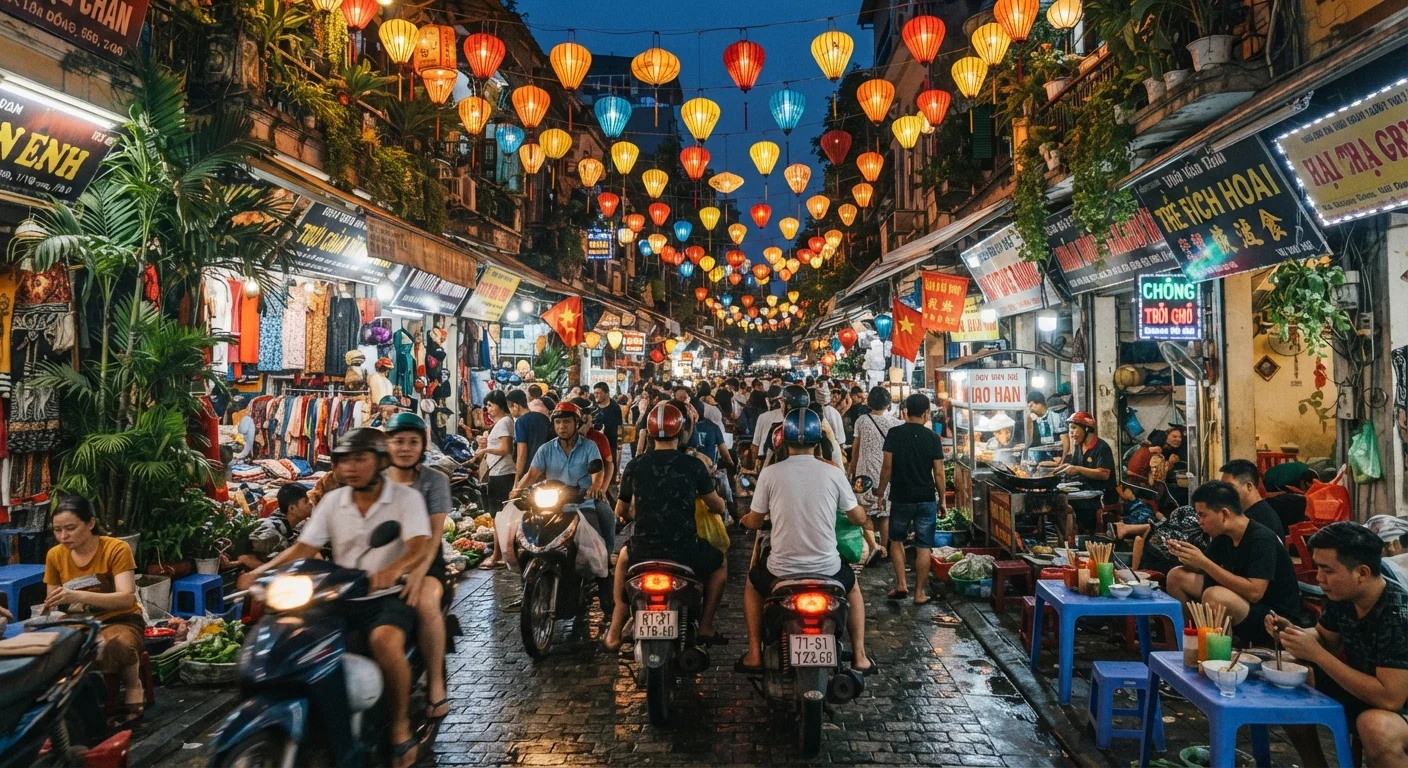
The assumption that street food is inherently risky overlooks a crucial reality: high-turnover stalls with visible cooking over open flames are often safer than a quiet restaurant with slow-moving inventory. Look for stalls that are busy with local customers, food that is cooked fresh to order, and vendors who handle money and food separately. Taking basic precautions — opting for cooked dishes over raw produce, drinking bottled or filtered water — significantly reduces any risk. Some of the most celebrated food experiences in the region, from banh mi carts in Hanoi to pad thai stalls in Chiang Mai, happen entirely on the street. See our food tourism myths guide for a broader breakdown of what's fact vs. fear when eating your way through a destination.
Myth
You need to speak the local language to get around.
Fact
English is widely spoken in tourist areas, and navigation apps, translation tools, and signage make independent travel very manageable.
In major cities and tourist hubs — Bangkok, Chiang Mai, Hanoi, Ho Chi Minh City, Siem Reap, Bali — English-language menus, signage, and conversational English with hospitality workers are the norm rather than the exception. Ride-hailing apps like Grab operate across much of the region with in-app fare calculation and destination input, removing the language barrier from transportation entirely. Google Translate's camera function can read menus, signs, and product labels in real time. Learning a handful of polite phrases in the local language is always appreciated and easy to do — but fluency is absolutely not a prerequisite for confident independent travel.
Myth
Southeast Asia is only for backpackers on a shoestring budget.
Fact
The region offers a full spectrum of accommodation, dining, and experiences — from budget hostels to genuinely world-class luxury resorts.
Budget travel is certainly possible and popular in Southeast Asia, but the idea that the region is exclusively a backpacker circuit is decades out of date. Thailand, Bali, and Vietnam in particular have developed robust mid-range and luxury tourism industries, with internationally recognized resort brands, fine dining, boutique hotels, and high-end wellness retreats operating at price points comparable to — or below — equivalent experiences in Western destinations. Travelers who want comfort and curation will find it readily; those who prefer to travel light and cheaply can do that too. The region accommodates both with ease.
Myth
It's too hot and humid to enjoy Southeast Asia.
Fact
Climate varies significantly by country, season, and elevation — with careful timing, most of Southeast Asia is very comfortable to explore.
Southeast Asia is not a monolith. Northern Vietnam experiences cool winters; the highlands of Chiang Mai and Chiang Rai in Thailand can feel positively mild. Even in tropical lowlands, the dry season — generally November through February for much of mainland Southeast Asia — brings lower humidity and temperatures that most visitors find very pleasant. Indonesia's Bali and the Philippines have their own seasonal rhythms. Planning around the dry season or choosing higher-altitude destinations during the hottest months makes an enormous difference. Shoulder seasons also offer a balance of manageable weather and smaller crowds.
What to Actually Prepare For
Debunking myths doesn't mean ignoring real considerations. Heat and humidity are genuine factors — temperatures in lowland destinations like Bangkok or Ho Chi Minh City can exceed 95°F for extended stretches, especially between March and May. Choosing destinations wisely by season, packing lightweight moisture-wicking clothing, and building afternoon rest into your itinerary makes a significant difference.
Always Check Official Sources Before You Travel
Visa rules, vaccination requirements, and travel advisories can change with relatively little notice. Before any Southeast Asia trip, verify current entry requirements through the official U.S. State Department travel advisory pages and the destination country's embassy or consulate website. Do not rely solely on travel blogs or third-party booking sites for this information.
Cultural etiquette is another area where a little preparation pays dividends. Removing shoes before entering temples, covering shoulders and knees at religious sites, and understanding local customs around greetings and gestures helps you travel respectfully and connect more genuinely with locals. Our piece on cultural etiquette mistakes and what they signal to locals is worth reading before you go.
Entry requirements — including visa rules, vaccination documentation, and travel advisories — can shift, so always verify current requirements through official U.S. government sources and the destination country's embassy before travel. No article, however current, should substitute for official guidance on these points.
~40M
Annual international visitors to Thailand
Thailand's Tourism Authority reported approximately 40 million international arrivals in pre-pandemic years, reflecting one of Asia's most established tourism ecosystems.
Level 1
U.S. State Dept. advisory — Thailand
The U.S. State Department rates Thailand at Level 1 (Exercise Normal Precautions), the same rating applied to many Western European countries.
Southeast Asia rewards those who show up curious and flexible. The region's diversity of landscapes, cuisines, histories, and cultures means there is genuinely something for every kind of traveler — and far fewer barriers to getting there than the myths suggest.