

Key Takeaways
Start here
Choosing Your Base: Tokyo's Key Neighborhoods
Next
Mastering the Tokyo Transit System
Then
Cultural Norms Every Visitor Should Know
Before you go
Practical Logistics Before You Land
Choosing Your Base: Tokyo's Key Neighborhoods
Tokyo's 23 wards contain multitudes — so where you stay shapes everything from your morning commute to the restaurants you stumble into at night. For first-timers, a few neighborhoods stand out for their accessibility and character.
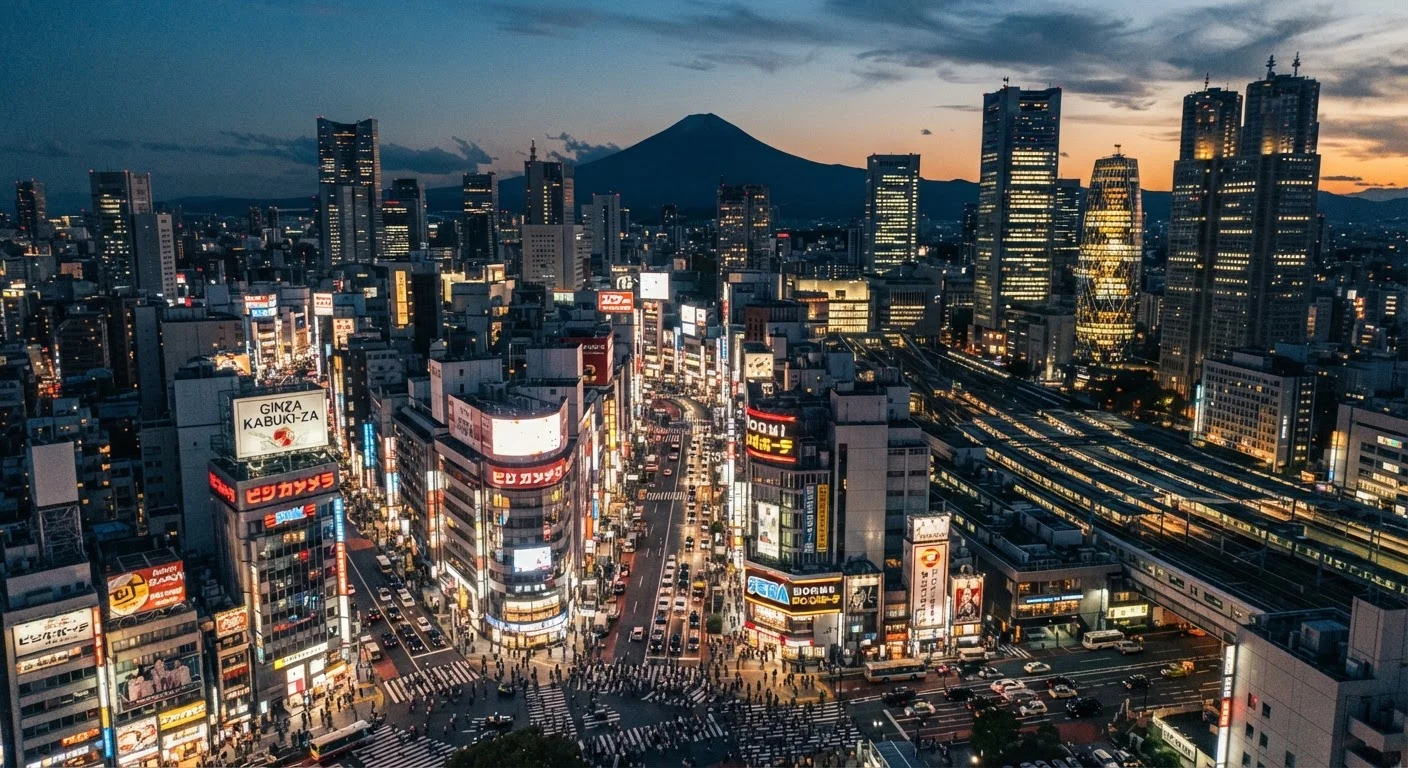
Shinjuku is Tokyo's busiest transit hub and puts you within a few train stops of nearly everywhere. It blends towering department stores, an electric nightlife district (Kabukicho), and quieter residential pockets. Asakusa, in the east, is the closest you'll get to old Edo-era Tokyo: the Senso-ji temple complex, rickshaws, and craft shops make it atmospheric and walkable. Shibuya anchors the youthful, fashion-forward south — home to the famous scramble crossing and easy access to Harajuku's side streets. Ginza suits those who prefer a quieter, upscale base with wide boulevards and polished galleries nearby.
None of these is a wrong choice. What matters is how central they are to the things on your personal list — and every one of them sits on a major rail line.
IC card
A rechargeable smart card (like Suica or Pasmo) used to pay for trains, buses, and purchases by tapping on a reader — no paper tickets needed.
Yamanote Line
A circular JR train line that loops through Tokyo's major neighborhoods, including Shinjuku, Shibuya, and Akihabara — the backbone of surface rail in the city.
Genkan
The entryway area of a Japanese home, inn, or certain restaurants where you remove your shoes before stepping up into the interior space.
Ryokan
A traditional Japanese inn featuring tatami mat rooms, futon bedding, and often communal baths — a distinctly different experience from Western hotels.
Takkyubin
Japan's door-to-door luggage forwarding service, widely available at convenience stores and hotels, which ships bags to your next destination so you don't carry them on trains.
Tokyo Metro
One of Tokyo's main subway operators, running underground lines that complement the overground JR network and connect neighborhoods not on the Yamanote loop.
Mastering the Tokyo Transit System
Tokyo's train network is genuinely one of the world's great transit systems — punctual, extensive, and surprisingly navigable once you understand the basics. The two main operators are JR East (which runs the Yamanote Line loop connecting most major neighborhoods) and the Tokyo Metro, which fills in the gaps underground.
Load Your IC Card Before Peak Hours
Station kiosks can get crowded during morning rush. If you arrive at Narita or Haneda airport, pick up and load your Suica or Pasmo card there before heading into the city — it saves time and frustration at busy transfer stations like Shinjuku.
Skip individual paper tickets. Load a Suica or Pasmo IC card at any major station kiosk or via smartphone — you tap in, tap out, and the fare is deducted automatically. These cards also work at convenience stores, vending machines, and many cafés, making them a practical everyday wallet.
Train cars observe an unspoken but firm etiquette: phones on silent, no calls, voices low, and priority seating near the doors reserved for elderly passengers, pregnant travelers, and people with disabilities. Rush hour on the Yamanote Line (roughly 7:30–9:30 a.m.) is genuinely packed — if your schedule is flexible, save major cross-city trips for mid-morning.
Google Maps handles Tokyo's train system well and will give you accurate, real-time routes. Download an offline city map before arrival as a backup.
Cultural Norms Every Visitor Should Know
Japan's social customs can feel unfamiliar at first, but they're consistent and learnable. A few that matter most for daily life as a visitor:
- No tipping. In restaurants, taxis, hotels, and salons, tipping is not part of the culture. Don't leave cash on the table — it can confuse or even concern staff.
- Shoes off indoors. At traditional accommodations (ryokan), many temples, and some restaurants, you'll remove your shoes at the entrance. A raised threshold (genkan) or row of slippers signals this clearly.
- Quiet in public spaces. Train rides, queues, and even busy streets operate at a lower volume than Americans are often used to. Keep phone calls brief or step aside.
- Eating while walking. Acceptable near festival stalls or convenience stores, but generally considered impolite on train platforms or busy streets. Most locals finish food before moving on.
- Cash still matters. Tokyo is modernizing fast, but smaller restaurants, shrines, and local shops often remain cash-only. Keep some yen on hand — 7-Eleven and Japan Post ATMs reliably accept foreign cards.
These aren't rules that will get you in trouble if you stumble — locals are generally patient with first-time visitors. But making the effort signals respect and tends to lead to warmer interactions. See our guide to common cultural etiquette mistakes for a broader look at what small missteps can unintentionally signal abroad.
Avoid Common First-Timer Missteps on Trains
Talking on your phone, eating, or playing audio without headphones on Tokyo trains draws noticeable attention — and not the welcome kind. The quiet, orderly atmosphere of the train system is a genuine social expectation, not just a posted rule. Observing it from day one makes your whole trip feel smoother.
Practical Logistics Before You Land
A little preparation before departure makes the first 24 hours in Tokyo much smoother. Start with connectivity: pocket Wi-Fi rentals (available at major airports) and SIM cards designed for tourists are widely available and affordable. Having data from the moment you clear customs is genuinely useful.
Confirm your entry requirements — visa status, any required documentation, and health-related rules — directly through the Japanese government's official embassy or consulate resources before you travel. These details can shift, and no third-party source is a substitute for official guidance.
If your trip falls around late March or early April, be aware that cherry blossom season draws enormous crowds and books accommodations early. Our sakura season planning guide covers how to time your visit and manage the logistics. And if this is your first major solo international trip, the pre-departure checklist for first-time solo travelers is worth reviewing before you pack.
Pack light enough to manage your luggage on trains — Tokyo's stations can involve long walks and stairs. Many hotels and accommodation providers offer luggage forwarding services (called takkyubin), which let you send bags ahead to your next destination for a modest fee. It's one of those small logistics wins that makes multi-city travel in Japan noticeably more pleasant.
Entry requirements, transit details, and local conditions can change. Always verify information with official Japanese government sources and your airline before traveling.