

| Total essential vitamins | 13 (National Institutes of Health, Office of Dietary Supplements) |
| Fat-soluble vitamins | A, D, E, K |
| Water-soluble vitamins | C and 8 B vitamins (B1, B2, B3, B5, B6, B7, B9, B12) |
| Most common deficiency in the U.S. | Vitamin D (National Health and Nutrition Examination Survey (NHANES) data) |
| Best dietary strategy for coverage | Eating a wide variety of whole, minimally processed foods (Dietary Guidelines for Americans) |
| Vitamin synthesized by sunlight | Vitamin D (via UVB exposure on skin) |
What Are Micronutrients?
Micronutrients are the vitamins and minerals your body requires in relatively small amounts to carry out thousands of biological processes — from converting food into energy to repairing DNA and supporting immune defenses. Unlike macronutrients like carbohydrates, proteins, and fats, micronutrients do not supply calories. Instead, they act as essential cofactors and regulators that keep every system in your body functioning correctly.
The two main categories are vitamins — organic compounds that can be broken down by heat or acids — and minerals, which are inorganic elements sourced from soil and water. Both must come primarily from food; the human body can synthesize only a handful of them in meaningful quantities.
Micronutrient
A vitamin or mineral required by the body in small amounts to support essential biological functions. Unlike macronutrients, micronutrients provide no caloric energy but are indispensable for health.
Fat-soluble vitamin
A vitamin that dissolves in fat and is stored in the body's fatty tissues and liver. Vitamins A, D, E, and K fall into this category and can accumulate if consumed in excess.
Water-soluble vitamin
A vitamin that dissolves in water and is not significantly stored in the body. Vitamin C and the B-vitamin family are examples; they must be replenished regularly through diet.
Trace mineral
A mineral required by the body in very small quantities, typically less than 100 milligrams per day. Iron, zinc, selenium, and iodine are common examples.
Bioavailability
The proportion of a nutrient that is absorbed from food and available for the body to use. Bioavailability varies by food form, preparation method, and the presence of other nutrients consumed at the same time.
Deficiency
A state in which the body has insufficient amounts of a particular nutrient to sustain normal physiological function. Deficiencies can develop gradually and may produce a range of symptoms depending on the nutrient involved.
Key Vitamins and What They Do
Vitamins are broadly divided into two groups based on how they are stored and absorbed:
- Fat-soluble vitamins (A, D, E, K) dissolve in fat and are stored in the liver and fatty tissues. Because they accumulate, excessive supplementation can reach harmful levels — a reason to prioritize food sources.
- Water-soluble vitamins (C and the eight B vitamins) are not stored in large quantities, meaning the body excretes what it does not immediately use. Regular dietary intake is therefore important.
A few highlights from the evidence base:
- Vitamin D supports calcium absorption, bone mineralization, and immune regulation. It is one of the few nutrients synthesized through skin exposure to sunlight, yet deficiency remains common in populations with limited sun exposure or darker skin pigmentation.
- Folate (B9) is critical for cell division and is especially important before and during early pregnancy to reduce the risk of certain neural tube differences.
- Vitamin C is a potent antioxidant involved in collagen synthesis and immune function. Citrus fruits, bell peppers, and broccoli are reliable sources.
| Total essential vitamins | 13 (National Institutes of Health, Office of Dietary Supplements) |
| Fat-soluble vitamins | A, D, E, K |
| Water-soluble vitamins | C and 8 B vitamins (B1, B2, B3, B5, B6, B7, B9, B12) |
| Most common deficiency in the U.S. | Vitamin D (National Health and Nutrition Examination Survey (NHANES) data) |
| Best dietary strategy for coverage | Eating a wide variety of whole, minimally processed foods (Dietary Guidelines for Americans) |
| Vitamin synthesized by sunlight | Vitamin D (via UVB exposure on skin) |
Essential Minerals at a Glance
Minerals are categorized as macrominerals (needed in larger amounts, such as calcium, magnesium, and potassium) and trace minerals (needed in smaller amounts, such as iron, zinc, and iodine). Both groups are indispensable.
- Calcium is best recognized for bone and tooth structure, but it also plays roles in muscle contraction and nerve signaling. Dairy products, fortified plant milks, and leafy greens like kale are primary food sources.
- Iron is central to hemoglobin production, which carries oxygen through the bloodstream. Heme iron from animal sources is more readily absorbed than non-heme iron from plants; pairing plant iron sources with vitamin C-rich foods can improve uptake.
- Magnesium participates in over 300 enzymatic reactions, including energy metabolism and protein synthesis. Nuts, seeds, whole grains, and dark chocolate contribute meaningfully to intake.
- Iodine is essential for thyroid hormone production, which governs metabolism and development. Iodized salt and seafood are common sources in the U.S. diet.
To see how mineral content appears on packaged foods, learning to read a nutrition label is a practical skill worth developing.
~1 in 4
U.S. adults with low vitamin D status
Analysis of NHANES data published in journals of nutrition epidemiology estimates roughly a quarter of American adults have insufficient vitamin D levels.
300+
Enzymatic reactions involving magnesium
According to the NIH Office of Dietary Supplements, magnesium is a cofactor in more than 300 enzyme systems in the human body.
~10 mg
Recommended daily iron for adult men
The U.S. Recommended Dietary Allowance for iron varies by age, sex, and life stage; adult men and post-menopausal women generally need less than menstruating women.
Getting Enough Through Food — and Knowing When to Ask a Professional
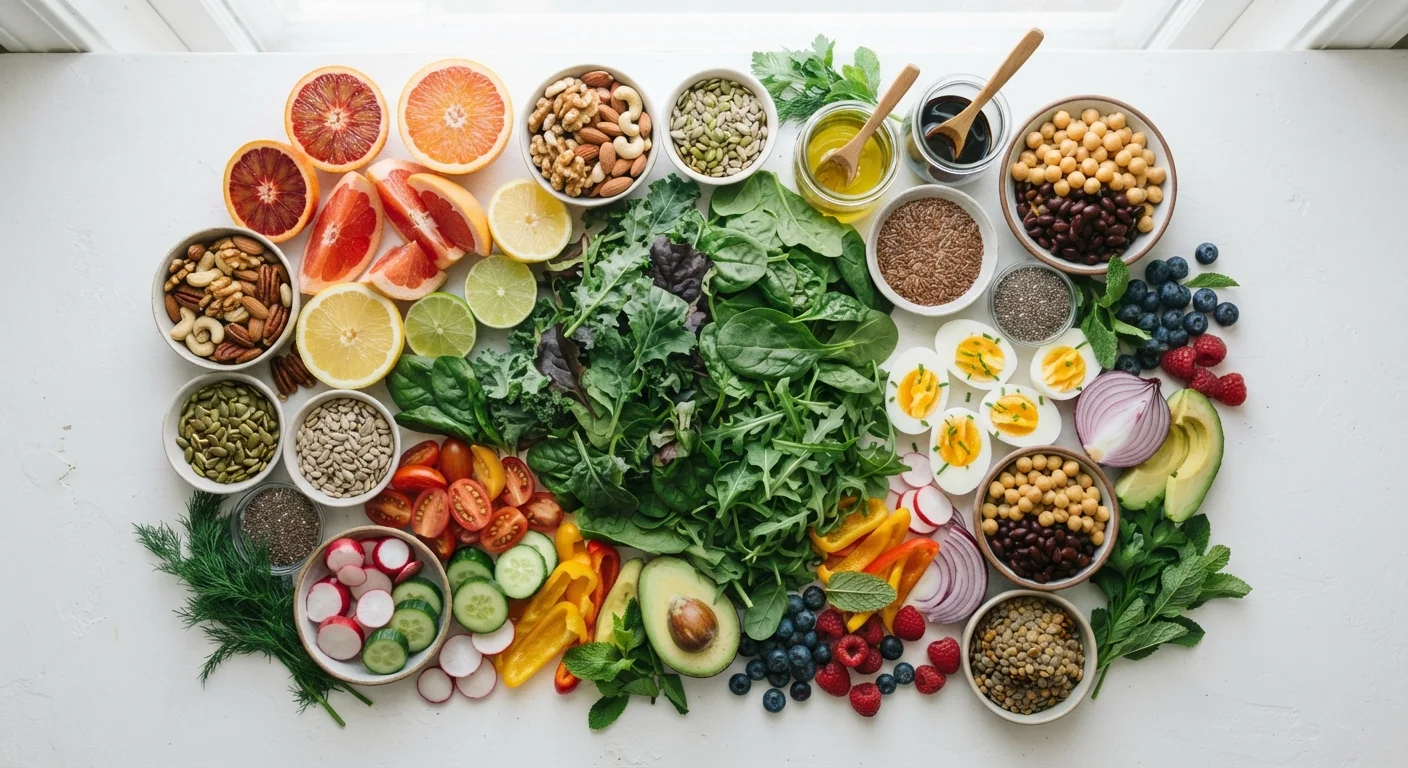
Dietary variety is the most consistent predictor of adequate micronutrient intake. Eating a wide range of vegetables, fruits, whole grains, legumes, nuts, seeds, and lean proteins covers most nutritional bases for otherwise healthy adults. Ultra-processed diets heavy in refined grains and added sugars tend to crowd out micronutrient-dense options.
Certain populations face higher risk of specific deficiencies: older adults may need more vitamin D and B12; those who are pregnant or planning to become pregnant should discuss folate and iron needs with a healthcare provider; people following a strictly plant-based diet may need to monitor B12, iron, zinc, and iodine more closely. These are general patterns — individual needs vary significantly.
A weekly dietary self-check can help you spot recurring gaps in food variety before they become a sustained shortfall. For broader context on how micronutrients fit into the full nutrition picture, a beginner's nutrition guide covers core concepts in accessible terms.
This article is for general informational purposes only and does not constitute medical or dietary advice. Individual nutritional needs vary. Consult a registered dietitian or qualified healthcare professional for personalized guidance on vitamins, minerals, or supplementation.