

Key Takeaways
Shoulder Season
A shoulder season is the period between a destination's peak tourist season and its slowest (off-season) period. It typically offers a middle-ground experience — fewer crowds than peak, better weather than off-season, and often more moderate pricing on accommodations and flights. Savvy travelers often target these windows deliberately.
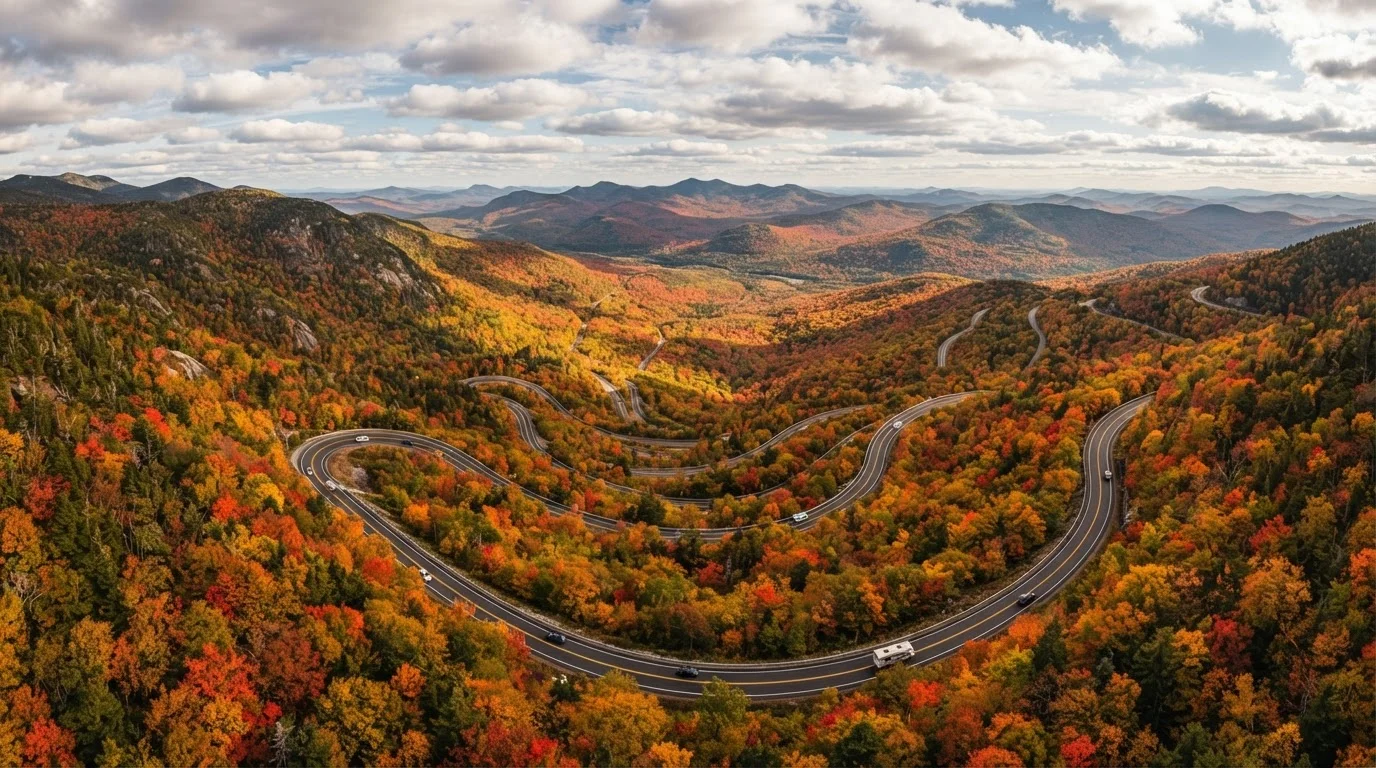
Shoulder seasons vary significantly by destination and hemisphere. What constitutes 'shoulder' in coastal Maine (May or October) differs entirely from Bali (April or November). Always research conditions specific to your destination rather than applying a universal calendar.
Why Timing Is a Planning Decision, Not an Afterthought
Most travelers decide where to go before they decide when to go — and that sequence can quietly undermine the whole trip. The timing of your travel shapes nearly every other variable: what you'll pay, how crowded the sites will be, what the weather will actually feel like, and which experiences are even available to you.
Season-aware planning isn't about chasing the cheapest flight. It's about understanding the rhythm of a destination and deciding which trade-offs fit your priorities. A family that wants reliable sunshine and open beaches has different needs than a solo traveler who values empty trails and authentic local atmosphere.
For broader context on how this logic applies across specific regions, our destination guides offer climate and seasonality breakdowns by place.
3x
Visitor volume increase at peak vs. shoulder season
U.S. national parks commonly report visitor counts two to three times higher in peak summer months compared to spring and fall shoulder periods, according to National Park Service data.
June–November
Atlantic hurricane season window
The National Oceanic and Atmospheric Administration (NOAA) defines the Atlantic hurricane season as running June 1 through November 30, with peak activity historically concentrated in August through October.
60%+
of U.S. leisure travel concentrated in summer
Surveys from U.S. Travel Association research consistently show a disproportionate share of American leisure trips clustering in the June–August window, reinforcing why shoulder timing reduces congestion.
How Peak, Shoulder, and Off-Season Actually Differ
Peak season usually aligns with the most favorable weather and school holiday calendars — think summer in Europe, December through April in the Caribbean, or July at Yellowstone. Visitor infrastructure is fully operational, but so are the crowds. Timed-entry systems and permit lotteries have become essential tools at many iconic sites; the national park crowd management guide explains how these systems work in detail.
Shoulder season — the periods flanking peak — is where experienced travelers often concentrate their trips. Conditions are usually workable, the main attractions are open, and the human density drops enough to make exploration genuinely enjoyable. Spring shoulder periods in Mediterranean Europe, for instance, offer mild temperatures and fully operational sites without the summer saturation.
Off-season carries the most uncertainty: some amenities may be closed, weather is less predictable, and certain experiences simply aren't available. But for the right traveler with the right expectations, it can be revelatory. See what traveling off-season really looks like before ruling it out.
Match Your Flexibility to Your Season Strategy
If your travel dates are fixed — around school breaks or work schedules — focus your research on managing peak conditions rather than avoiding them. Book accommodations and key reservations earlier than feels necessary, and prioritize morning start times at major sites to stay ahead of daily crowd build-up. Flexibility of even a week or two, where possible, opens up substantially better options.
Climate Patterns: What to Research Before You Book
Climate is not the same as weather, and both matter to travelers. Climate tells you what to generally expect; weather tells you what's actually happening in the moment. Planning relies on climate — you can't predict weather three months out, but you can understand that the Yucatán Peninsula's hurricane season peaks in September or that Patagonia's summer (December–February) is the only reliable window for hiking.
Key climate factors worth researching for any destination include:
- Precipitation patterns — rainy seasons can mean daily downpours or months of drizzle, and the difference matters
- Temperature ranges — highs and lows, not just averages
- Extreme weather risk windows — hurricane, monsoon, or wildfire seasons
- Daylight hours — a major factor for sightseeing in northern latitudes
For multi-stop itineraries like a Southwest U.S. road trip, climate can vary dramatically within a single journey. The American Southwest national parks planning overview addresses exactly this challenge.
Always verify entry requirements, safety advisories, and vaccination recommendations through official government sources before booking. Conditions change and no editorial source can substitute for current official guidance.
Climate Data Has Limits
Historical climate averages are useful planning tools, but they don't guarantee specific conditions. Shifting weather patterns in many regions have made historically reliable seasons less predictable in recent years. Build buffer days into itineraries where weather-dependent activities — hiking, outdoor tours, beach time — are central to the trip.
Practical Implications: Packing, Jet Lag, and Arrival Readiness
Once your travel window is set, your preparation should reflect the destination's climate — not the weather at home when you leave. Coastal Southeast Asia in April calls for different gear than the Rockies in October, even if both feel mild at your departure city. For travelers navigating between climates mid-trip, layering strategies make a real difference; the guide to transitioning a wardrobe between seasons offers practical approaches.
For long-haul trips, the relationship between season and body clock also comes into play. Longer flights crossing multiple time zones compound the adjustment challenge — understanding what to expect helps you plan your first day more realistically. Our overview of time zones, jet lag, and long-haul flights covers the basics.
Road trippers should also consider their vehicle's condition relative to seasonal demands. Cold-weather departures, high-altitude driving, and extreme heat all stress different systems. For general vehicle readiness by season, the seasonal car care guide outlines what to check before heading out.
Ultimately, season-smart planning reduces friction at every stage — from booking to arrival to the experience itself. The travelers who spend the least time dealing with unexpected obstacles are rarely the ones who got lucky; they're the ones who asked the right questions early.