

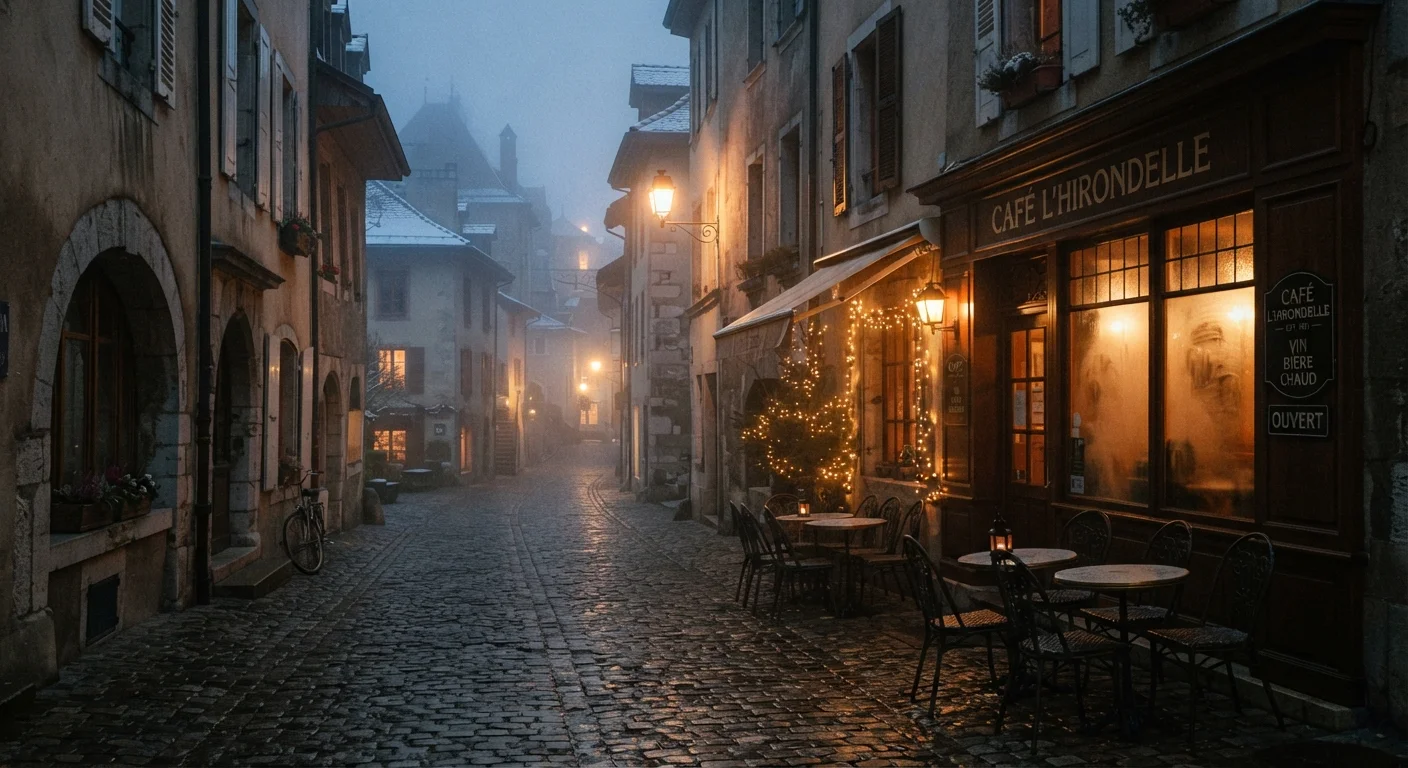
Key Takeaways
Noticeably fewer crowds at major sites
Popular landmarks, museums, and natural attractions that feel impossible to enjoy at peak periods become genuinely accessible. Lines shorten, sightlines open up, and the experience itself changes.
More authentic interaction with locals
When a destination isn't managing thousands of visitors simultaneously, residents are more present in their own community — at neighborhood restaurants, markets, and gathering spots tourists rarely see.
Accommodation and transport pricing often shifts
While not guaranteed, rates for hotels and flights frequently reflect lower demand during off-peak windows, giving budget more flexibility without necessarily sacrificing quality.
A destination's true character becomes visible
Stripped of peak-season infrastructure — souvenir stalls, tourist menus, performance-mode hospitality — places reveal how they actually function, which is often more interesting.
Photography and exploration feel less pressured
Without a moving crowd at your back, you can linger, return to a spot at different light, or simply stand still somewhere beautiful without obstruction.
Weather conditions may be genuinely challenging
Low season often correlates with a destination's least hospitable climate — heavy rain, extreme heat, or cold that limits outdoor activities and affects overall comfort.
Seasonal closures reduce available experiences
Restaurants, tours, transportation links, and attractions frequently operate on reduced schedules or close entirely during off-peak months, narrowing what's actually accessible.
Signature seasonal experiences won't be available
A destination known for a specific seasonal draw — wildflower blooms, harvest festivals, snow conditions — simply doesn't offer that experience outside its natural window.
Reduced services can affect practical logistics
Fewer flights, less frequent public transport, and limited staffing at hotels can make an off-season trip more logistically demanding than the same trip at peak.
Some destinations feel genuinely desolate
In places built almost entirely around tourism, deep off-season can tip from pleasantly quiet into unintentionally bleak — empty streets, shuttered storefronts, and little ambient energy.
Our Verdict
Traveling off-season is a genuine trade-off, not a simple upgrade. The rewards — breathing room, local connection, and a different rhythm — are real, but so are the constraints around weather, closures, and reduced services. Neither peak nor off-peak travel is objectively better; the question is which trade-offs suit your priorities.
Off-season travel is best suited to flexible, experience-focused travelers who prioritize atmosphere and depth over optimal weather or guaranteed amenities.
What Off-Season Travel Actually Means
"Off-season" isn't a single, universal window on the calendar — it shifts by destination, climate zone, and the type of tourism a place depends on. A beach resort's off-season might be its rainiest stretch; a ski town's might be a warm, snowless gap in spring. Understanding the difference matters because the trade-offs change significantly depending on why a place goes quiet.
Shoulder season — the weeks bracketing peak period on either side — is often the practical sweet spot: crowds thin without the full closures that deep off-season can bring. But true off-season travel, when visitor numbers genuinely drop, offers something shoulder season doesn't always deliver: a destination that largely ignores you and gets on with itself.
The Real Advantages
The appeal of off-season travel runs deeper than emptier streets.
Noticeably fewer crowds at major sites
Popular landmarks, museums, and natural attractions that feel impossible to enjoy at peak periods become genuinely accessible. Lines shorten, sightlines open up, and the experience itself changes.
More authentic interaction with locals
When a destination isn't managing thousands of visitors simultaneously, residents are more present in their own community — at neighborhood restaurants, markets, and gathering spots tourists rarely see.
Accommodation and transport pricing often shifts
While not guaranteed, rates for hotels and flights frequently reflect lower demand during off-peak windows, giving budget more flexibility without necessarily sacrificing quality.
A destination's true character becomes visible
Stripped of peak-season infrastructure — souvenir stalls, tourist menus, performance-mode hospitality — places reveal how they actually function, which is often more interesting.
Photography and exploration feel less pressured
Without a moving crowd at your back, you can linger, return to a spot at different light, or simply stand still somewhere beautiful without obstruction.
Accommodation costs often drop outside peak periods, and the relationship between traveler and host tends to shift when staff aren't stretched across a full house. A hotelier with four guests has time for a conversation; one with forty rarely does. That dynamic can quietly reshape an entire stay.
For national parks and heavily trafficked natural sites, timing matters enormously. Permit systems and timed-entry requirements at many U.S. parks are a direct response to peak-season pressure — visiting outside those windows can mean fewer logistical hurdles alongside fewer people on the trail.
30–50%
Typical accommodation rate variation by season
Industry data from hospitality research consistently shows hotel rates in tourism-dependent destinations fluctuating significantly between peak and low seasons, though the range varies widely by market.
4.9M
Peak-month visitors to Grand Canyon (2022)
According to National Park Service visitation data, the Grand Canyon's busiest months see visitor counts that dwarf winter figures, illustrating the scale of seasonal crowd variation at flagship U.S. sites.
The Genuine Drawbacks
Off-season travel is not a straightforward upgrade. The trade-offs are real and destination-specific.
Weather conditions may be genuinely challenging
Low season often correlates with a destination's least hospitable climate — heavy rain, extreme heat, or cold that limits outdoor activities and affects overall comfort.
Seasonal closures reduce available experiences
Restaurants, tours, transportation links, and attractions frequently operate on reduced schedules or close entirely during off-peak months, narrowing what's actually accessible.
Signature seasonal experiences won't be available
A destination known for a specific seasonal draw — wildflower blooms, harvest festivals, snow conditions — simply doesn't offer that experience outside its natural window.
Reduced services can affect practical logistics
Fewer flights, less frequent public transport, and limited staffing at hotels can make an off-season trip more logistically demanding than the same trip at peak.
Some destinations feel genuinely desolate
In places built almost entirely around tourism, deep off-season can tip from pleasantly quiet into unintentionally bleak — empty streets, shuttered storefronts, and little ambient energy.
Weather is the most obvious variable, but closures are the one travelers most often underestimate. Restaurants that define a town's reputation may shut entirely between November and March. A museum might operate on reduced days. That charming ferry connection could run once a week instead of twice a day. Checking operational status before booking — not just on a destination's tourism website, but directly with venues — prevents the specific frustration of arriving somewhere to find it largely shuttered.
Peak-season destinations like Japan during cherry blossom attract visitors precisely because something specific and beautiful is happening. Off-season visits to places built around a signature seasonal event require recalibrating expectations entirely — which can be its own reward, but demands honest self-awareness about what you're actually looking for.
Shoulder Season: A Practical Middle Ground
If deep off-season feels too uncertain, shoulder season — typically the weeks just before or after peak — often delivers meaningful crowd reduction without the full drawbacks of low season. Many venues remain open, weather is transitional rather than extreme, and the destination's energy hasn't entirely wound down. It's worth researching what shoulder season looks like specifically for any destination you're considering, since the timing varies considerably.
How to Make the Most of It
Off-season travel rewards a particular kind of mindset: one less anchored to a checklist and more open to what a place offers when it isn't performing for visitors. Slowing down and going deeper matters even more when some attractions are unavailable — the experience has to come from engagement, not throughput.
Research seasonal realities honestly before committing. Iceland, for instance, offers radically different experiences depending on time of year — not better or worse, but genuinely distinct. The same logic applies to almost any destination with pronounced seasonality. And if weather or access uncertainty feels like too much risk, planning around shoulder season often threads the needle between peak chaos and off-season constraints.