

Key Takeaways
Slow Travel
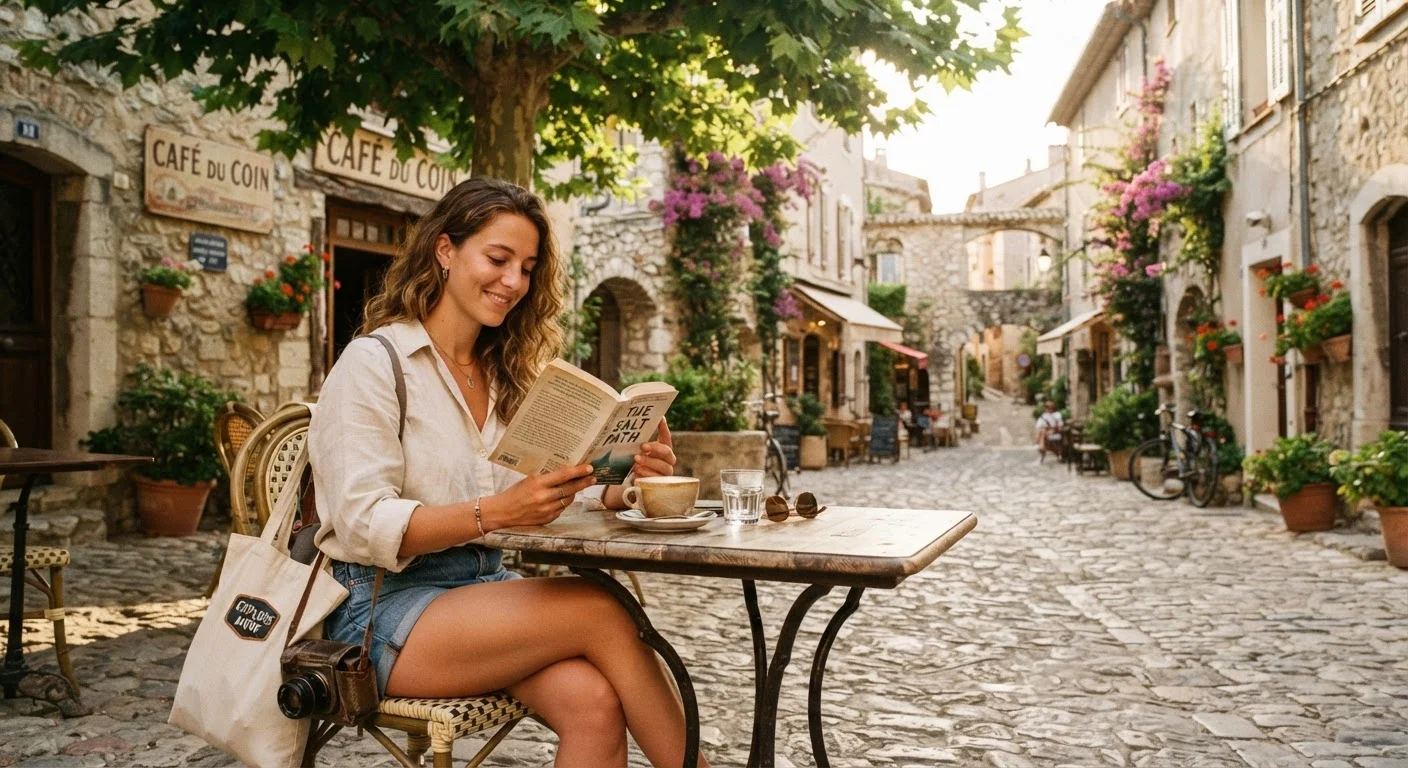
Slow travel is an approach to exploring the world that prioritizes depth over breadth. Instead of visiting as many destinations as possible in a short time, slow travelers choose to stay in one place longer — often weeks rather than days — building routines, forming connections, and experiencing a destination the way a resident might. It's less about a pace and more about a philosophy: prioritizing presence over productivity.
Slow travel is often linked to the broader 'slow movement,' which began with the slow food movement in Italy in the 1980s and has since extended to lifestyle, urbanism, and travel as a counter to acceleration culture.
More Than a Pace: Understanding the Philosophy
Ask most travelers what slow travel means, and they'll say something like 'just taking it easy.' That's understandable — the name suggests relaxation. But slow travel is a more specific idea than its name implies. It's a deliberate rejection of the checklist model of tourism, where success is measured by how many landmarks you photograph or how many cities appear in your itinerary.
Slow travel asks a different question: What does it feel like to actually live somewhere, even briefly? It's the difference between seeing the Eiffel Tower and knowing which boulangerie in your arrondissement makes the best croissant. One is a data point; the other is a memory that stays with you.
The philosophy shares DNA with the broader slow movement — a cultural response to the acceleration of modern life that began with the slow food movement in Italy. Applied to travel, it argues that rushing through a place isn't really experiencing it at all. As one expression of this thinking goes: you can visit a country or you can know a corner of it. Slow travel chooses the corner.
“Traveling slowly is not about being lazy. It's about being present enough to actually receive what a place is offering.”
— Rolf Potts, Travel writer and author of 'Vagabonding'
What Slow Travel Looks Like in Practice
Slow travel isn't defined by a checklist, but there are patterns that tend to emerge when people practice it. Travelers rent apartments rather than booking hotels, because having a kitchen and a neighborhood changes how you move through a place. They shop at local markets, take the bus instead of a taxi, and find themselves returning to the same spots — which is the point.
Routines form surprisingly fast. Within a week in a single location, you start to recognize faces, understand the layout of streets, and notice the subtle rhythms of a community. That familiarity is the currency of slow travel. Immersive travel experiences — from joining a cooking class to staying with a local host — fit naturally into this framework because they're built around genuine participation, not observation.
60%+
Travelers preferring experiences over souvenirs
Multiple travel industry surveys have consistently found that a majority of travelers say they prioritize meaningful experiences over material purchases when planning trips.
1–4 weeks
Typical slow travel stay in one location
Among self-identified slow travelers in online communities and travel writing, one to four weeks in a single location is the most commonly described approach.
Slow travel also tends to reduce the logistical friction that exhausts many travelers. Fewer transit days, fewer hotels to check in and out of, fewer bags hauled through airports — the administrative load of travel drops when you stop moving so much.
How It Differs From Conventional Tourism
Conventional tourism is optimized for coverage. The implicit goal is to see as much as possible within a fixed window of time — a structure that produces packed itineraries, early alarms, and that particular exhaustion of needing a vacation from your vacation. It's not without value; some trips genuinely call for a broad sweep of a region.
But slow travel operates on a different logic. It treats a destination not as a set of attractions to be consumed but as a place with its own texture, contradiction, and character — things you can only access by staying long enough to notice them. What 'authentic' really means in travel is a worthwhile companion question here: slow travel is often where that much-used word actually earns its meaning.
Start Small If You're New to Slow Travel
You don't have to commit to a month abroad on your first try. Pick one city on your next trip and spend your entire time there instead of building a multi-stop itinerary. Even a long weekend spent in a single neighborhood — without a must-see list — can shift how you relate to a destination.
The trade-offs are real, of course. Slow travel means seeing fewer places. For some trips and some travelers, that's a genuine loss. The case for slow travel examines those trade-offs honestly — what you gain in depth and what you give up in breadth.
Who Slow Travel Is — and Isn't — For
Slow travel works best when you have flexibility — in time, in itinerary, and in expectations. It suits remote workers, sabbatical travelers, retirees, and anyone willing to trade breadth for depth. It also pairs well with shoulder season travel, when destinations are less crowded and longer stays feel less like going against the grain.
It isn't the right framework for every trip. A first visit to a country with limited time may call for a broader approach. Family travel with competing interests, or trips built around a specific event, may not lend themselves to the open-ended structure slow travel requires. That's fine — travel philosophy should serve your trip, not constrain it.
What slow travel offers, at its best, is a different kind of return on investment. Not more stamps in a passport, but a deeper relationship with the places you do visit. If you're ready to think about building that kind of trip intentionally, planning a meaningful trip offers a practical framework for doing exactly that.
Slow Travel and Budget: No Simple Answer
Slow travel is sometimes assumed to be budget travel, but the two aren't the same. Longer stays can reduce certain costs — monthly apartment rentals are often cheaper per night than hotels — but slow travel can happen at any price point. The defining feature is intention and depth, not spending level.