

Key Takeaways
Why Sales Events Feel Bigger Than They Are
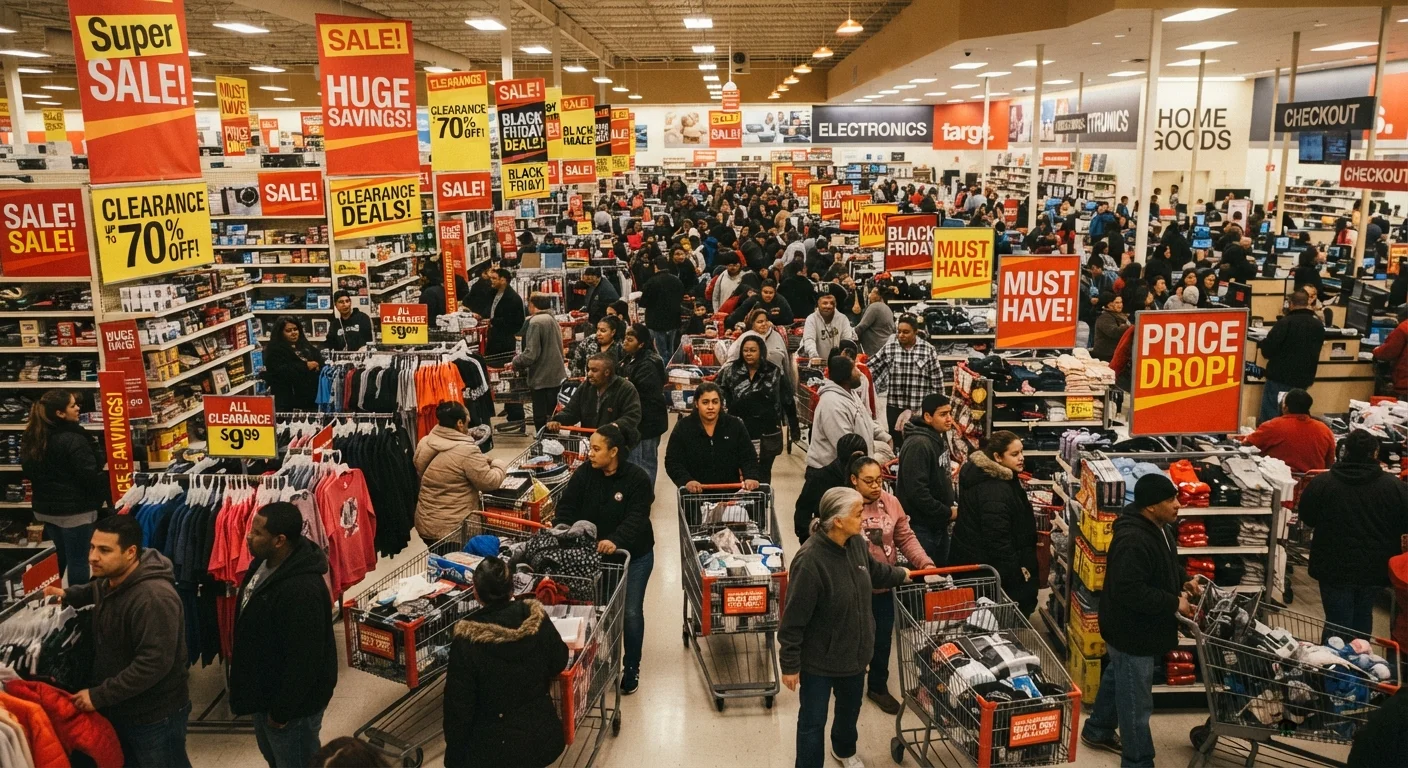
Major retail sales events — whether tied to holidays, shopping seasons, or retailer-invented occasions — generate enormous consumer excitement. But the excitement itself is engineered. Retailers invest heavily in event marketing precisely because the atmosphere of urgency and scarcity reliably increases spending, often on items shoppers wouldn't have considered otherwise.
Understanding this dynamic doesn't mean avoiding sales entirely. It means approaching them with a filter. Retailers use anchoring, urgency, and bundling tactics to influence how shoppers perceive value — knowing those tactics is half the battle. The other half is knowing which product categories actually deliver meaningful price reductions versus which ones ride the event's energy without offering much in return.
Myth
Everything on sale during a major event is cheaper than it would be at any other time of year.
Fact
Many items are discounted only nominally, or priced lower at other points in the year outside of sales events.
Price-tracking data consistently shows that a significant portion of items promoted during major sales events are not at their lowest historical prices. Some items are actually cheaper during off-peak periods when retailer competition is lower and excess inventory needs clearing. The event creates the perception of universal savings, but selectively checking price history before purchasing reveals a more varied picture.
Myth
A bigger percentage off always means a better deal.
Fact
Percentage discounts are only meaningful when calculated from an accurate and consistently used reference price.
Retailers in several categories — particularly apparel and home décor — have faced regulatory scrutiny over inflated reference prices that make discounts appear larger than they are. A 50% discount from a price that was never meaningfully charged is not a 50% saving. Evaluating the absolute price against comparable alternatives, rather than the stated markdown, gives a clearer picture of actual value.
Myth
Sales events are the best time to buy any electronics you've been eyeing.
Fact
Electronics deals during sales events are strongest on specific categories like televisions, but vary significantly across other product types.
Televisions have a well-documented pattern of deep discounting during major sales events, particularly in the months following new model releases. However, other electronics — smartphones, gaming consoles, and newly released audio gear — rarely see meaningful reductions during the same events. Newer releases in particular tend to hold their prices firmly regardless of the sales calendar. Knowing which electronics sub-categories actually benefit from events is more useful than a blanket assumption.
Myth
If you miss a sales event, you've missed your chance at a good price.
Fact
Most product categories cycle through multiple pricing opportunities throughout the year, and end-of-season periods often rival or exceed event discounts.
Outdoor furniture, winter apparel, and seasonal home goods often reach their lowest prices after peak demand passes — not during manufactured sales events. End-of-season timing by category reveals that patience frequently outperforms event-driven urgency for shoppers who can plan ahead. The scarcity framing of sales events is real in some categories, but far overstated in others.
Myth
Bundled deals during sales events always save you money.
Fact
Bundles often include products you wouldn't otherwise purchase, which reduces or eliminates the effective savings.
Bundling is a common retail tactic during sales events because it increases transaction size and makes per-unit price comparisons harder. A bundle priced at $80 that includes $30 worth of items you wanted and $50 worth you didn't isn't a savings vehicle — it's a spending increase. Evaluating each component of a bundle against its individual price, and honestly assessing which parts you'll actually use, is the practical test for whether a bundle adds value.
Categories That Tend to Deliver Real Value
Not all sale categories are created equal. Consumer electronics — particularly televisions, laptops, and headphones — have a well-documented pattern of genuine price reductions during major events. Retailers often use flagship TV models as loss leaders to drive foot traffic, which means those specific items can reflect authentic discounts. The key caveat: the deepest cuts are typically on previous-generation models being cleared to make room for newer inventory.
Large appliances follow a similar pattern. When manufacturers release updated models, retailers reduce prices on outgoing stock in a fairly predictable way. Annual pricing patterns by category show that appliances, mattresses, and bedding are among the categories with the most consistent and verifiable discounts during sales events.
~30%
Items at true price lows during major sales
Price-tracking analyses have suggested that only around a third of items promoted during major sales events are actually at their lowest price of the year.
2–3x
More likely to regret impulse purchases
Consumer behavior research indicates shoppers are significantly more likely to report dissatisfaction with unplanned purchases made under time pressure compared to planned ones.
Furniture can also offer real savings during major sales, particularly on floor models or items a retailer is discontinuing. If a return policy and delivery terms are favorable, these represent genuine opportunities — not manufactured urgency.
Where to Be Skeptical
Clothing is where sale-event hype most frequently outpaces reality. Consumer research has repeatedly shown that apparel "original prices" are often set artificially high to manufacture a larger-looking discount. A jacket marked down from $180 to $90 may have never meaningfully sold at $180. Promotional saturation distorts perceived value across apparel more than almost any other category.
Beauty and personal care products during sales events warrant similar scrutiny. Gift sets and bundles are common during these periods — and while they can offer value for gift-giving, they frequently include products the buyer doesn't need, effectively raising the per-unit cost of what they actually want.
Bundle Deals and "Free Gift" Offers
Bundled products and gift-with-purchase offers are especially common during major sales events. Before adding a bundle to your cart, calculate the cost of only the components you'd genuinely use — the effective price per wanted item is often higher than a standalone purchase. Return policies on bundle components are also frequently more restrictive than on individual items.
For a sharper view of which items rarely see meaningful price drops regardless of what event is running, see our look at products that hold their prices year-round.
How to Shop Any Sales Event More Effectively
The most actionable step any shopper can take before a sales event is price-tracking. Browser extensions and price-history tools allow you to see what an item actually sold for over the past 60 to 90 days. If the "sale" price matches or exceeds the item's typical price range, the discount is nominal at best.
Beyond price history, it helps to distinguish between a sale and a clearance. Clearance and sale items carry very different implications for return policies, availability, and actual value. Clearance items may be final sale with no returns — a detail that changes the calculus considerably for higher-cost purchases.
Finally, consider building a category-specific approach. A single deal strategy rarely works across electronics, clothing, home goods, and beauty simultaneously. Our guide to building a personal deal strategy across categories offers a practical framework for deciding where your attention — and budget — is best spent during any given event.
Sales events can deliver genuine value. The difference between a smart purchase and a regretted impulse buy usually comes down to one thing: deciding what you need before the countdown clock starts.