

Key Takeaways
Why the Sticker Price Is Just the Starting Point
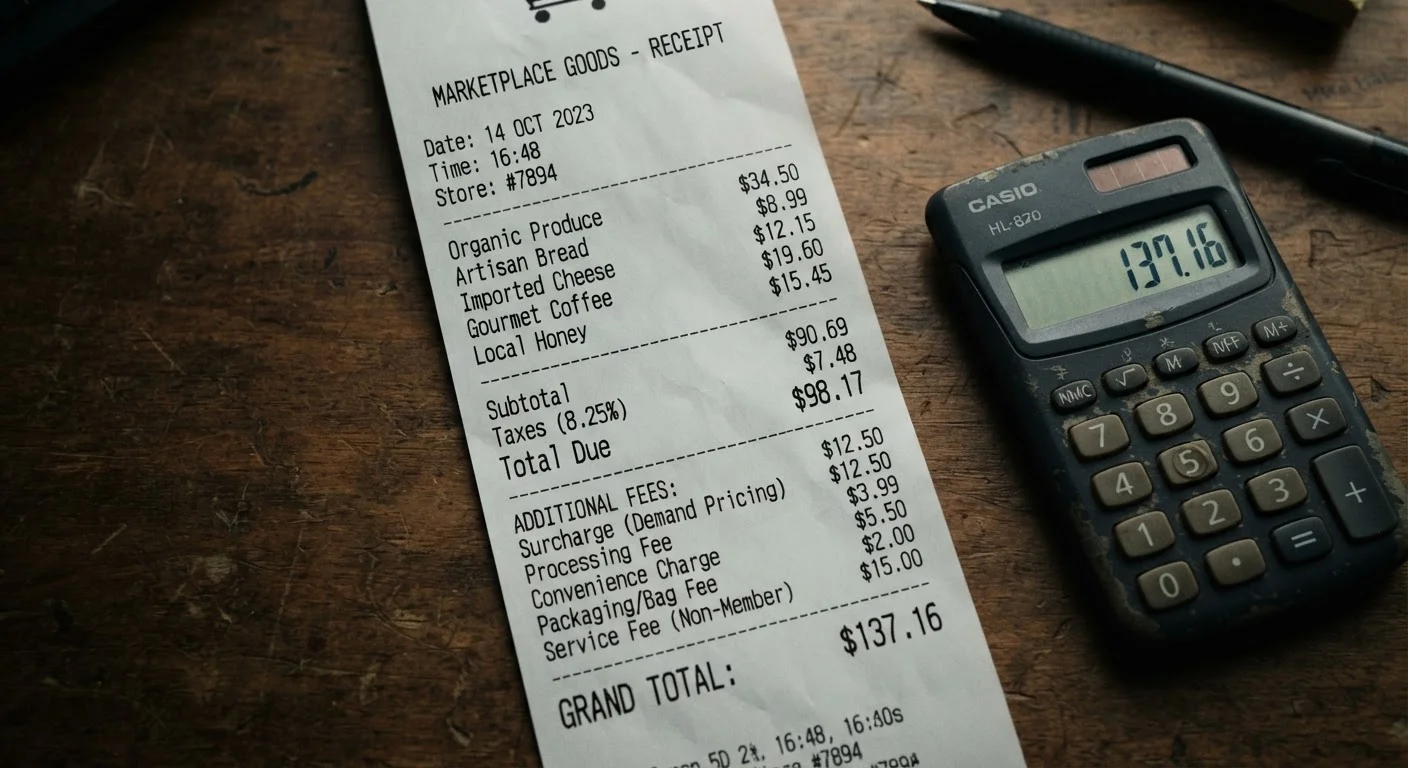
A price tag answers one narrow question: what does the retailer charge at the moment of sale? It doesn't answer the more important question: what will this purchase actually cost you? For many product categories — electronics, appliances, furniture, vehicles, fitness equipment — the gap between those two numbers is substantial.
The mistakes below aren't obscure edge cases. They're the most common ways shoppers undercount a purchase's real cost, and they happen across every category and every budget level. Knowing them in advance is the most efficient form of consumer protection available. For a deeper look at the full ownership math on vehicles specifically, see sticker price vs. total cost of ownership.
Treating the listed price as the delivered price without checking shipping and handling charges.
Why it happens: Online storefronts frequently display product prices prominently while burying freight, handling, or white-glove delivery fees in the checkout flow.
Overlooking required accessories or components that aren't included in the base price.
Why it happens: Product listings often highlight a low entry price without clearly flagging that cables, mounting hardware, batteries, filters, or compatible components are sold separately.
Ignoring installation costs for items that can't be set up without professional help.
Why it happens: Shoppers focus on the product purchase and mentally separate installation as a future problem, without pricing it out in advance.
Failing to account for recurring subscription or service fees attached to a product.
Why it happens: Hardware is priced attractively while ongoing software, cloud storage, or service plan fees are disclosed only in terms-of-service documentation that most buyers don't read before purchase.
Discounting long-term maintenance costs as unlikely or negligible.
Why it happens: At the moment of purchase, maintenance feels abstract and distant — the product is new and working perfectly, so replacement filters, service intervals, and consumable parts don't feel urgent.
Assuming a "free returns" policy means returning a large item will actually be free.
Why it happens: Return policies advertised at the category or brand level often have product-specific exceptions — particularly for oversized, assembled, or freight-shipped items — that only appear in fine print.
How to Protect Yourself Before You Buy
The antidote to hidden costs is a short, consistent checklist applied before committing to any significant purchase. Ask four questions: What does delivery or setup actually cost? What will I need to buy separately to make this work? What does ongoing maintenance or service require? Does this come with a recurring fee?
~$1,000+
Typical annual cost of appliance subscriptions and consumables
Consumer Reports research has noted that smart appliances and connected devices frequently carry ongoing service costs that buyers underestimate at purchase.
Up to 20%
Restocking fees on returned large items
Retailer return policies for furniture and appliances commonly include restocking charges ranging from 10–20% of the purchase price, per widely published retail policy disclosures.
Adding those answers to the advertised price gives you a working total cost estimate — imperfect, but far more accurate than the tag alone. Before you compare prices, check these variables first — unit size, warranty terms, and return windows all affect what two seemingly identical prices actually mean.
It's also worth reviewing financing terms carefully. A low monthly payment can mask a much higher total outlay. APR vs. monthly payment explains how loan structure affects true cost for appliances and vehicles alike. And for a broader look at how hidden charges quietly erase a deal's value, see what to watch for before checking out.
Financing Terms Can Hide Significant Extra Cost
Zero-percent promotional financing and low monthly payment offers can make a purchase feel more affordable than it is. If the promotional period ends before the balance is paid, deferred interest charges — sometimes covering the full original balance — can apply retroactively. Always read financing terms in full before signing, and calculate the total repayment amount, not just the monthly figure.
Shopping decisions made with full cost information aren't just better financially — they tend to produce more satisfaction. Buyer's remorse is often less about the product itself and more about costs that weren't anticipated at the time of purchase.