

Key Takeaways
Option A
Brake Pads
The consumable component that absorbs friction every time you stop.
Best for: Frequent monitoring and replacement — pads are designed to wear out and protect the rotor beneath them.
Option B
Brake Rotors
The durable metal disc that pads clamp against to slow the vehicle.
Best for: Longer service intervals, but susceptible to warping and grooving if pad replacement is delayed.
If your brakes squeal but the pedal feels firm and responsive
Brake Pads
Squealing is the most common early sign of worn pads. Addressing them promptly prevents rotor damage and keeps the repair bill low.
If you feel pulsation or vibration through the brake pedal
Brake Rotors
Pedal pulsation typically points to warped or unevenly worn rotors. A mechanic should measure rotor thickness and assess whether resurfacing or full replacement is appropriate.
If you hear grinding metal-on-metal noise when braking
Brake Pads
Grinding means the pad material is fully depleted and the metal backing plate is contacting the rotor directly — both components likely need attention immediately.
If you drive aggressively in stop-and-go city traffic
Brake Pads
High-friction driving consumes pads at a faster rate. More frequent pad inspections help protect the rotors underneath and avoid compounding costs.
If a mechanic confirms rotor thickness is at or below the minimum specification
Brake Rotors
Rotors worn to minimum thickness cannot be safely resurfaced and must be replaced to maintain consistent, reliable stopping power.
How Each Component Works — and Wears
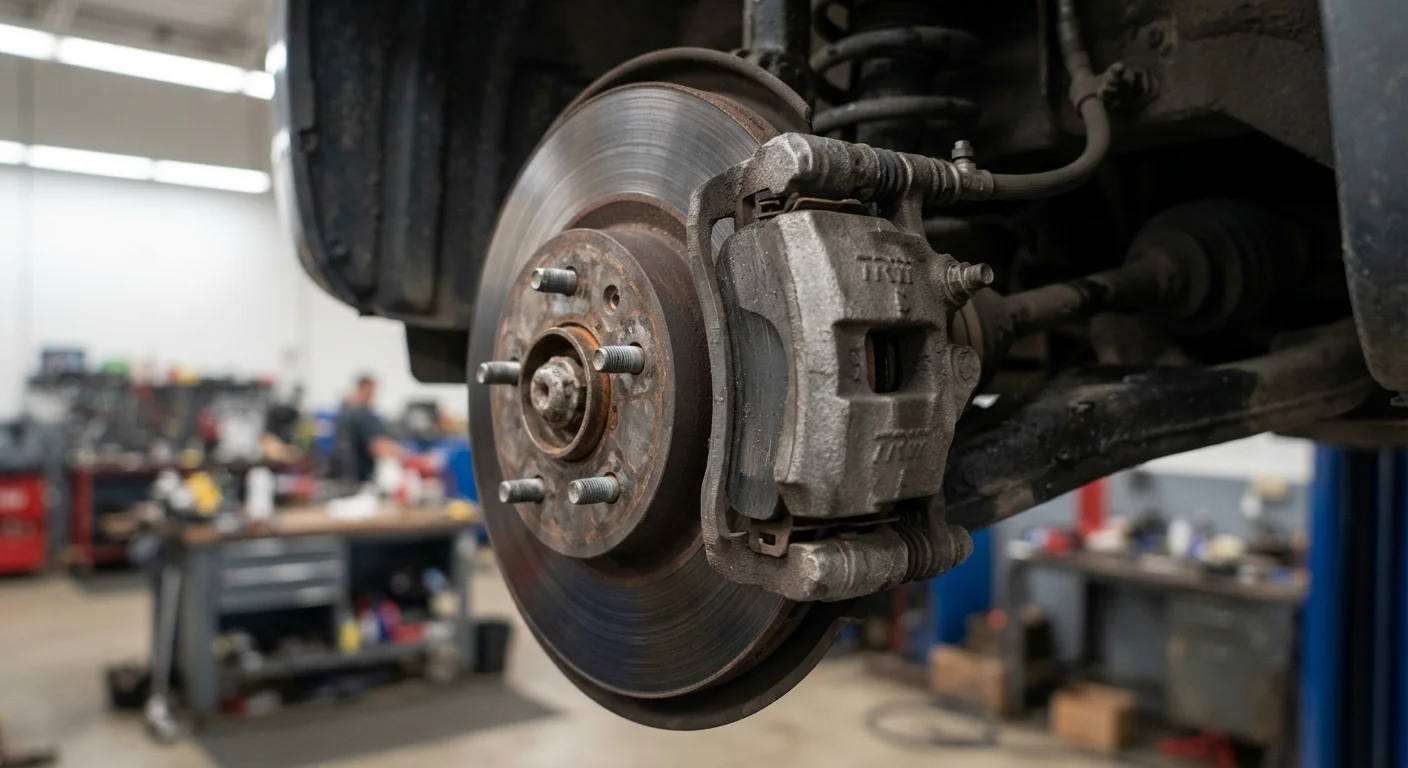
Every time you press the brake pedal, hydraulic pressure forces the brake pads against the rotors — the flat metal discs attached to each wheel hub. The resulting friction is what slows the vehicle. This process is efficient, but it comes at a cost: both components gradually erode with every stop.
Brake pads are intentionally the sacrificial part of the system. They consist of a friction material bonded to a steel backing plate, and that material is designed to wear down over time, shielding the more expensive rotor beneath. Most pads start with roughly 10–12mm of friction material; mechanics generally recommend replacement around 2–3mm.
Rotors, by contrast, are heavy cast-iron or composite discs engineered for durability. They lose material slowly through normal use, but they face a different threat: heat-induced warping and surface grooving. When pads are neglected past their service life, the metal backing plate grinds directly into the rotor surface, creating deep grooves that no amount of resurfacing can always correct. Deferred maintenance like this is a classic case of a small problem becoming a costly one.
| Criterion | Brake Pads | Brake Rotors |
|---|---|---|
| Typical lifespan | 25,000–65,000 miles | 50,000–70,000+ miles |
| Primary wear mechanism | Friction material gradual erosion | Surface scoring, warping, thinning |
| Key warning sign | Squealing or squeaking noise | Pedal pulsation or deep grinding |
| Replacement frequency | More frequent — designed to be replaced | Less frequent — outlasts multiple pad sets |
| Can be resurfaced? | No — pads are replaced outright | Yes, if above minimum thickness spec |
| Impact of delay | Damages rotors, increases stopping distance | Compromised stopping power, potential brake failure |
| Inspection method | Visual check through wheel spokes | Micrometer measurement by mechanic |
Warning Signs: What Each Component Tells You
Your vehicle communicates brake wear in fairly consistent ways — but the signal differs depending on which component is failing.
Signs Your Brake Pads Need Replacing
- High-pitched squealing: Most modern pads include a small metal wear indicator that contacts the rotor and emits a squeal when the pad is near the end of its life. This is a deliberate early warning.
- Reduced responsiveness: If you're pressing the pedal noticeably further before the car slows, pad thickness may be critically low.
- Visual check: Through the wheel spokes, you can often see the pad pressed against the rotor. Less than a quarter-inch of friction material visible is a red flag.
Signs Your Rotors Need Attention
- Vibration or pulsation in the pedal: A brake pedal that pulses under your foot typically indicates an uneven or warped rotor surface.
- Grinding noise: Metal-on-metal grinding almost always means the pad material is gone and the backing plate is scoring the rotor — both components need immediate inspection.
- Visible scoring or rust grooves: While surface rust is normal after wet weather, deep grooves or an uneven surface texture seen through the wheel opening suggests the rotor surface is compromised.
Surface Rust vs. Structural Damage
A thin layer of rust on rotors after rain or overnight sitting is completely normal and typically clears after a few gentle stops. This is different from deep grooves, pitting, or chronic rust that has eaten into the rotor surface over time. If you're uncertain, a visual inspection during a tire rotation or oil change is an easy opportunity to have a mechanic take a look.
Driving style matters significantly here. Smoother, more anticipatory braking can meaningfully extend pad life and reduce rotor stress across the life of your vehicle.
Replacement Timing and What Happens When You Delay
Brake pads are generally rated for 25,000 to 65,000 miles, though real-world results vary considerably. City driving with frequent hard stops depletes pads far faster than highway commuting. Pad material also matters: organic pads are softer and quieter but wear faster, while semi-metallic and ceramic compounds offer longer service life at a higher initial cost.
Rotors typically last through two or more pad replacement cycles when the vehicle is properly maintained. Many mechanics measure rotor thickness with a micrometer and compare it to the manufacturer's minimum specification — a rotor below that threshold must be replaced regardless of its surface appearance.
~25%
Increase in stopping distance with severely worn pads
Industry estimates suggest heavily worn brake pads can meaningfully extend stopping distances, reducing reaction margin in emergency situations.
2–3mm
Minimum safe brake pad thickness
Most manufacturers and mechanics use 2–3mm of remaining friction material as the replacement threshold before braking performance is compromised.
When either component is neglected, the consequences escalate quickly. Worn-beyond-spec pads increase stopping distances, reduce braking predictability, and accelerate rotor wear. By the time metal-on-metal contact occurs, what would have been a straightforward pad swap frequently becomes a full brake service involving new rotors as well.
Keeping tabs on your broader vehicle safety systems — including tire tread depth and pressure — as part of the same maintenance mindset helps ensure every safety system works together when it matters most.
This article is for general informational purposes only. Brake inspection and replacement involve vehicle safety systems — always have a qualified mechanic assess your brakes before making repair decisions.