

Key Takeaways
Why Watering Habits Matter More Than Most Gardeners Think
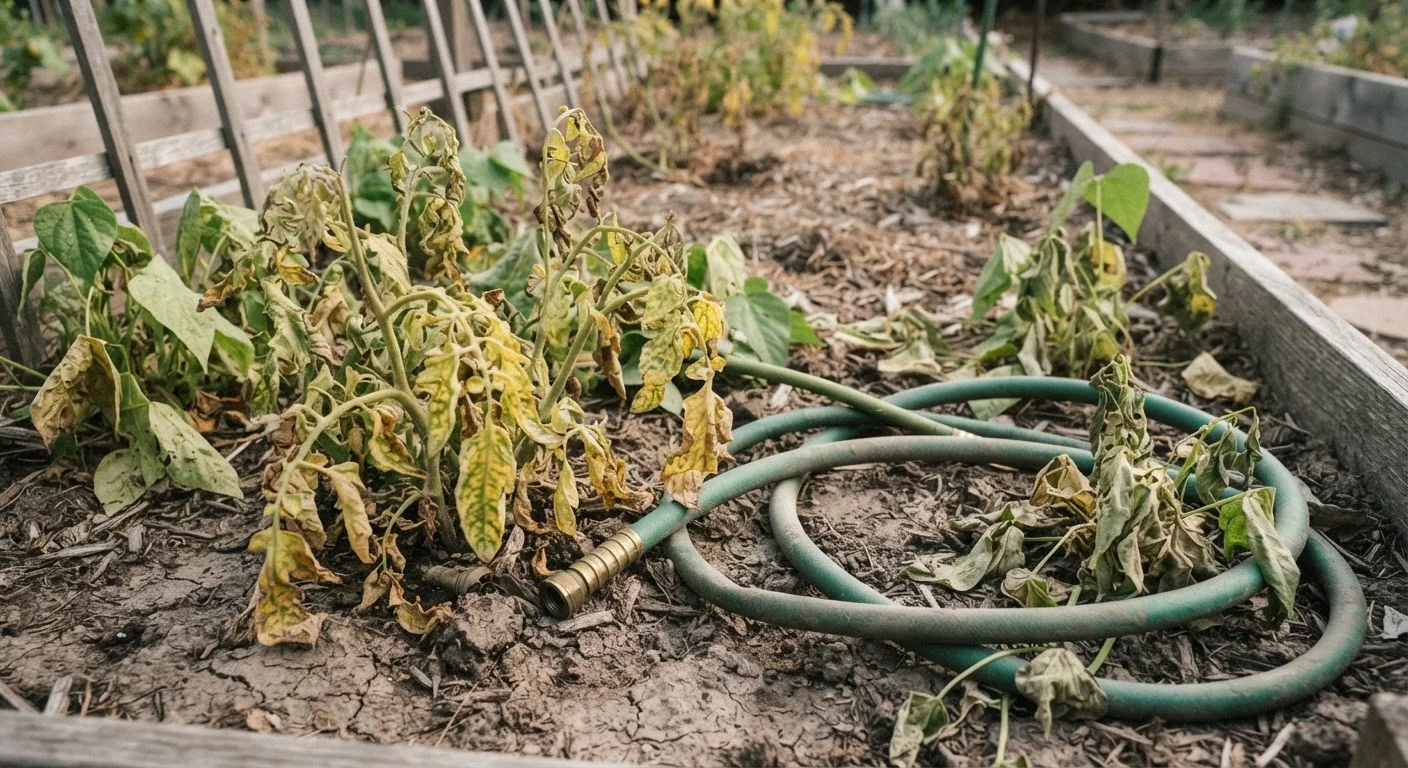
Water is the most basic input in any garden — and yet inconsistent, poorly timed, or incorrectly applied watering is behind a surprising number of plant failures. The challenge is that damage from bad watering habits often looks identical to other problems: yellowing leaves could mean overwatering, underwatering, nutrient deficiency, or disease. Without understanding the root cause, gardeners often overcorrect and make things worse.
Soil type amplifies every mistake. Clay soils stay saturated long after watering stops, while sandy soils drain quickly and dry out fast. Before adjusting your routine, it helps to understand your soil — and pairing good watering habits with healthy soil structure goes a long way. For a related angle on how soil chemistry affects plant health, our guide to soil pH is worth reading alongside this one.
Don't Rely on a Fixed Watering Schedule
Watering every day on a timer regardless of weather or season is a setup for failure. Soil moisture varies with temperature, humidity, rain, and plant growth stage. Always check actual soil conditions — press a finger 2 inches into the soil — before watering, especially after rainfall or during cooler stretches.
Common Watering Mistakes — and How to Fix Them
The mistakes below are widespread across beginner and experienced gardeners alike. Each one has a clear pattern and a straightforward correction. Recognizing which habit applies to your garden is the first step toward healthier plants.
Watering too frequently but too shallowly, leaving roots confined to the top inch or two of soil.
Why it happens: Many gardeners assume that visible wet soil means the plant is satisfied, so they water briefly and often rather than deeply and less frequently.
Overwatering consistently, keeping the soil saturated and cutting off oxygen to roots.
Why it happens: It feels responsible to water often, especially during heat waves or when plants look droopy — though drooping can signal heat stress, not necessarily thirst.
Watering in the middle of the day, causing significant evaporation and potential leaf scorch.
Why it happens: Convenience drives midday watering — people water when they have time rather than when conditions are optimal.
Watering foliage rather than directing water to the root zone at soil level.
Why it happens: Overhead sprinklers and hand-held hoses are easy to use broadly, and many gardeners don't think to aim specifically at the base of plants.
Ignoring mulch, which allows soil moisture to evaporate rapidly between watering sessions.
Why it happens: Mulch is sometimes seen as a cosmetic addition rather than a functional moisture-management tool.
Applying a one-size-fits-all watering schedule to plants with very different moisture needs.
Why it happens: It's tempting to water everything in a garden on the same day and schedule for simplicity, without considering that lavender and hydrangeas have vastly different requirements.
Root Rot Is Often Irreversible
Once root rot takes hold from chronic overwatering, most plants cannot recover. The damage happens underground and is invisible until leaves yellow or collapse. If you suspect root rot, reduce watering immediately and check drainage before adding more water. Prevention is far easier than rescue.
Building a Smarter Watering Routine
Once you've identified and corrected problem habits, the goal is a consistent routine that adapts to your garden's actual conditions. Start by observing: how quickly does your soil dry out after watering? Do certain beds drain poorly or stay soggy? Are some plants thriving while neighbors struggle under the same schedule?
~50%
Outdoor water lost to inefficient use
According to the U.S. Environmental Protection Agency, about 50% of outdoor water use is wasted due to evaporation, wind, and overwatering.
Early AM
Optimal watering time for most plants
University cooperative extension programs consistently recommend early morning watering to reduce evaporation and minimize overnight foliage dampness.
Grouping plants by water needs, installing soil moisture sensors, or switching to drip irrigation are all practical upgrades that pay off quickly. If you're planning a garden with mixed plantings, our perennials vs. annuals planning guide covers how plant type affects maintenance demands including watering. A well-watered garden isn't one that gets the most water — it's one where every drop reaches where it's needed, when it's needed.