

Style & Beauty

Wardrobe Audit Checklist: Taking Stock Before You Shop

Share
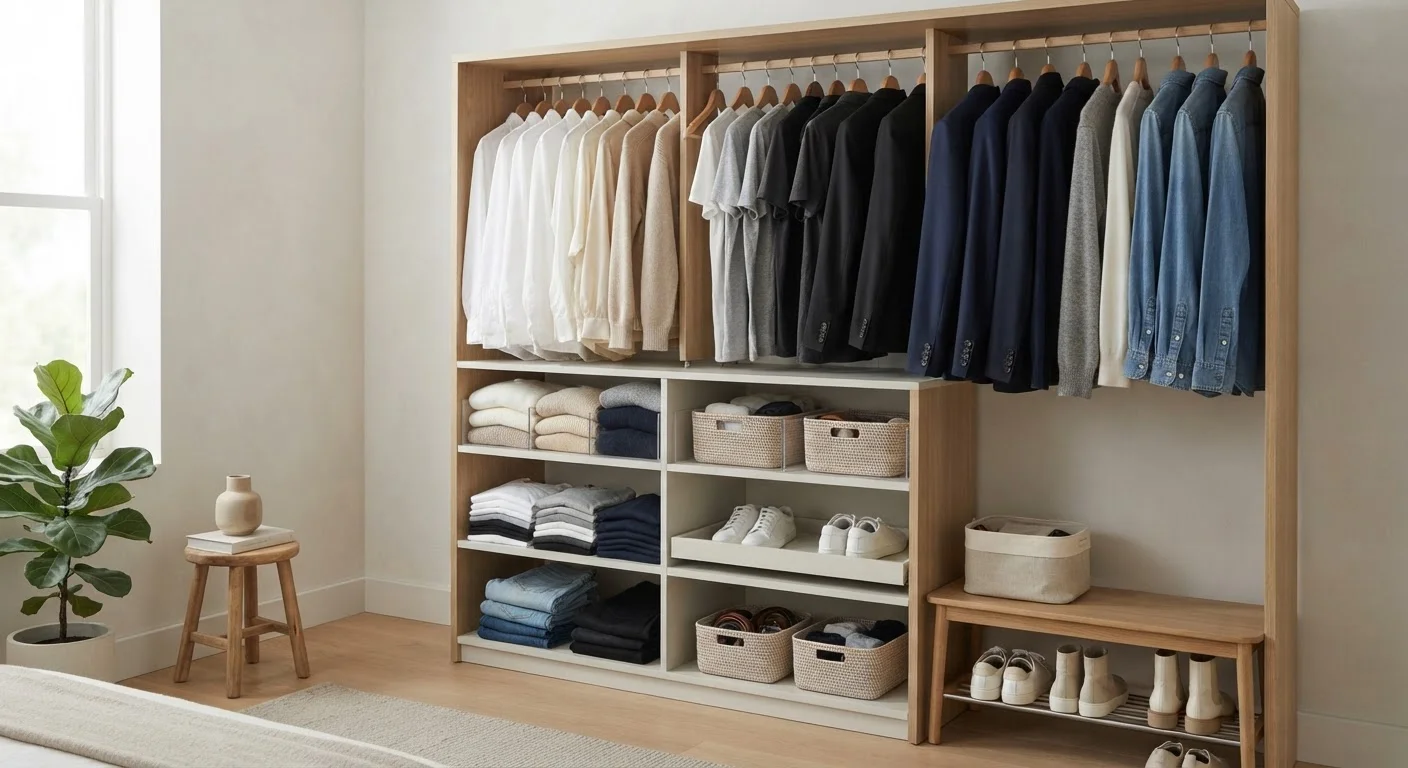
An organized open wardrobe with clothes sorted by color and category on hangers and shelves.

Key Takeaways

A wardrobe audit reveals gaps and duplicates before you spend money on new pieces.
Knowing your actual lifestyle needs helps you shop with intention, not impulse.
Condition, fit, and wearability — not sentimental value — should guide what you keep.
Tracking what you own prevents trend-driven overspending and closet clutter.
Shopping with a pre-audit list reduces decision fatigue and repeat mistakes.
45–90 min

Summary

22 items · 45–90 minutes

Why Audit Before You Shop

Most wardrobe frustration — too many clothes and nothing to wear — stems from shopping without a clear picture of what's already there. A structured audit changes that. Instead of browsing based on mood or trend, you walk into any shopping situation knowing exactly what you need, what you already have in abundance, and what's costing you closet space without earning its place.

This checklist works whether you have a packed closet or a sparse one. The goal isn't minimalism for its own sake — it's clarity. Once you know what you're working with, adding new pieces becomes a deliberate upgrade rather than a gamble. For a complementary perspective on how your real daily life should shape your wardrobe, see how lifestyle shapes wardrobe choices.

Preparation

Clear a large surface — bed, floor, or table — where you can lay everything out by category. Must
Pull clothing from every storage location: closet, drawers, under-bed storage, and seasonal bins. Must
Have separate bags or boxes ready for donate, sell, and discard piles before you start. Should
Set a timer for each category to keep the process moving and avoid decision fatigue. Nice to have

Condition & Fit Check

Inspect each item for visible damage: pilling, stains, holes, broken zippers, or faded color. Must
Try on anything you haven't worn in the past six months to verify current fit. Must
Set aside items that need minor repairs and schedule a realistic date to have them fixed; discard if repair is unlikely. Should
Note which items you consistently skip when getting dressed — hesitation is useful data. Should

Duplicates & Overlap

Group similar items together (e.g., all white tops, all dark jeans) to spot exact or near-duplicates. Must
Keep the best version of duplicated items and release the rest — retain one only if both serve a distinct purpose. Must
Flag categories where you own more than you realistically wear in a two-week rotation. Should

Lifestyle Alignment

Map your weekly contexts (work, casual, exercise, social, formal) and estimate rough percentage of time in each. Must
Check whether your wardrobe distribution reflects those percentages — over-investment in rarely needed categories is a common gap. Must
Remove items bought for an aspirational lifestyle that don't reflect your current daily reality. Should

Versatility Assessment

For each kept item, mentally confirm at least two distinct outfits you would actually wear it in. Should
Flag items that only work with one specific outfit or piece — consider whether they justify their space. Should
Identify your highest-versatility pieces and note the gaps where a single addition could unlock multiple combinations. Nice to have

Gap Identification & Shopping List

Write a specific gap list based on what's missing by category, not by trend or wish-list impulse. Must
Prioritize gaps by frequency of need — items you'd use most often go to the top of the list. Must
Note the practical specifications for each gap (color range, formality level, layering purpose) so shopping stays focused. Should
Photograph the final organized closet and your written gap list so you have both as a reference while shopping. Nice to have

Tools to Have on Hand

You don't need much to do this well — just a few practical items that make the process faster and more honest.

Required

Full-length mirror

Allows you to try on items and honestly assess fit and proportion before deciding to keep.

Required

Notepad or spreadsheet

Records your category breakdown, duplicate findings, and final gap list in one place.

Required

Donation bags or boxes

Keeps your piles physically separated so decisions don't blur once made.

Optional

Garment steamer or iron

Helps assess whether a wrinkled or stored item is genuinely wearable before deciding to keep it.

Optional

Smartphone camera

Document your organized closet and gap list as a portable reference while shopping.

Once you've assembled these, set aside uninterrupted time. Rushing through an audit leads to sentimental decisions and skipped categories. If your closet spans multiple rooms or storage areas, consider our room-by-room wardrobe audit approach for a more thorough method.

How to Use Your Audit Results

Once you've completed every checklist group, you'll have three categories: keep, donate or sell, and genuine gaps. The gaps list becomes your actual shopping list — specific, justified, and tied to what you wear in real life rather than what looks appealing on a rack.

Don't Let Guilt Drive the Keep Pile

Expensive items that don't fit, flatter, or suit your current lifestyle are not assets — they're clutter with a price tag attached. Cost paid is a sunk cost; keeping something out of guilt doesn't recover that money. Honest assessment of what you actually wear is the point of this process, and it only works if you apply the same criteria to every item regardless of what it cost.

Gaps should be prioritized by frequency of use. If you're missing a versatile layering piece you'd reach for five days a week, that outranks a specialty item you'd wear twice a year. Cross your gaps list against your lifestyle breakdown — the contexts where you spend most of your time should get the most wardrobe support. This discipline is exactly what separates intentional shoppers from those who fall into the patterns described in trend-chasing pitfalls that quietly drain a wardrobe.

Before any purchase, revisit this checklist. A quick re-check takes far less than 45 minutes and prevents the most common repeat mistake: buying something you essentially already own. For more grounding in what to prioritize before making any significant wardrobe investment, the buyer essentials hub offers useful decision-making frameworks.

Style & Beauty Editorial Team is the collective byline for our editorial team and contributor network. Articles published under this byline or an editorial pen name are researched, written, and reviewed according to our editorial standards for clarity, consistency, and independence before publication.

View all articles by Style & Beauty Editorial Team →
Disclaimer: The content on this site is for informational purposes only and is not a substitute for professional advice. Always consult a qualified professional for guidance specific to your situation.